
Biblical History PDFs offer a convenient and accessible way to delve into ancient narratives, providing structured timelines and insightful overviews.
These digital documents, like the “3-Bible-Timelines.pdf” from Village Church, condense complex historical periods – from Creation to the spread of Christianity – into easily digestible formats.
Utilizing PDFs for studying Biblical History allows for portable learning, efficient searching, and the ability to annotate key events, such as Abraham, David, and Jesus’s eras.

What are Biblical History PDFs?
Biblical History PDFs are digital documents meticulously compiled to present the chronological events and cultural contexts surrounding the narratives found within the Bible. They serve as condensed, portable resources for students, researchers, and anyone seeking a deeper understanding of the historical backdrop of biblical stories.
These PDFs often feature timelines, like the one available from Village Church (“3-Bible-Timelines.pdf”), visually mapping out epochs from Creation (around 2000 BC) through the rise of the Assyrian and Babylonian Empires, the periods of Jewish enslavement and dominion in the Holy Land, and ultimately, the emergence and spread of Christianity.
They aren’t simply lists of dates; they aim to contextualize events, highlighting the interplay between the Nation of Israel and surrounding kingdoms; Resources like those based on Lieber’s work (“Bible 101 getting the big picture”) often incorporate covenants and temple constructions into the historical flow, offering a holistic view. Essentially, they are curated historical summaries designed to enhance biblical comprehension.
Why Use PDFs for Studying Biblical History?
Biblical History PDFs offer unparalleled convenience and accessibility for learners. Unlike traditional textbooks, they are easily portable, allowing study anywhere with a compatible device. The digital format facilitates efficient searching for specific events, figures – like Abraham, David, or Jesus – or keywords within the historical narrative.
Furthermore, PDFs enable interactive learning through annotation tools. Users can highlight key passages, add personal notes, and create customized study guides directly within the document. Resources like the “3-Bible-Timelines.pdf” from Village Church present complex information in a visually organized manner, simplifying the understanding of epochs and empires.
The condensed nature of these PDFs, focusing on a “big picture” overview (as seen in Lieber’s work), is ideal for initial exploration. They provide a foundational framework before delving into more detailed scholarly texts, making biblical history approachable for all levels of study.
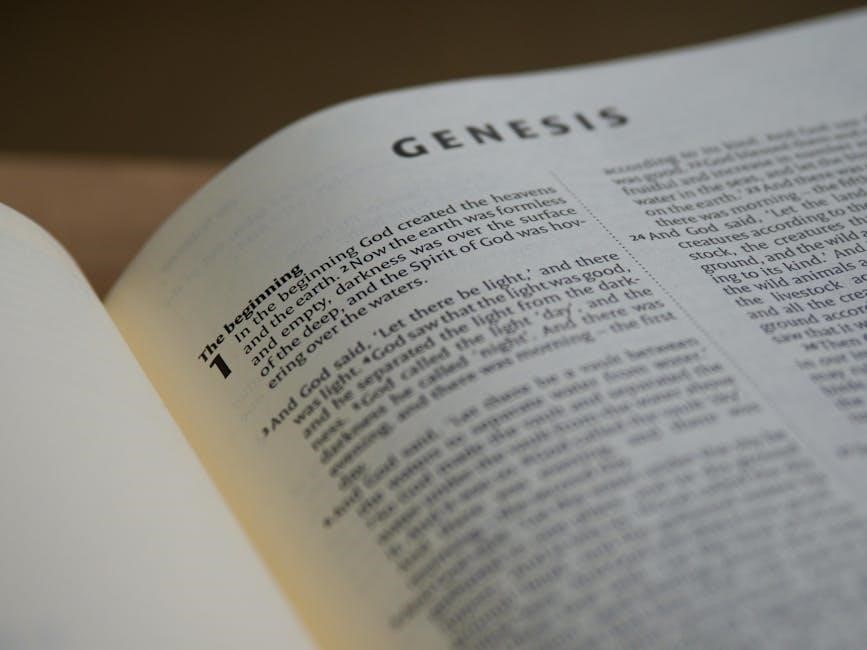
The Old Testament Period
Old Testament PDFs detail the foundational narratives, spanning from Creation through the establishment of the Nation of Israel and its covenants with God.
The Patriarchal Age (Abraham, Isaac, and Jacob)
PDF resources dedicated to the Patriarchal Age illuminate the pivotal role of Abraham, Isaac, and Jacob in establishing the lineage and covenant relationship central to Biblical history.
These documents, such as timelines found in “3-Bible-Timelines.pdf”, position Abraham around 2000 BC, marking the beginning of God’s chosen people’s story.
Biblical History PDFs often visually represent this era within the broader context of ancient kingdoms like Egypt, Assyria, and Babylonia, highlighting the patriarchs’ movements and interactions.
They detail God’s promises to Abraham – land, descendants, and blessing – and trace the continuation of this covenant through Isaac and Jacob, despite challenges like famine and displacement.
Furthermore, these PDFs explore the significance of the covenants established during this period, laying the groundwork for the later Mosaic Law and the nation of Israel’s identity.
Studying this age through PDF formats allows for focused examination of genealogical charts and maps illustrating the patriarchs’ journeys and settlements.
The Exodus and the Law (Moses and the Ten Commandments)
Biblical History PDFs dedicated to the Exodus and the Law emphasize this transformative period in Israel’s formation, detailing their liberation from Egyptian slavery under Moses’ leadership.
Resources like timelines, such as the one in “3-Bible-Timelines.pdf”, place the Exodus within the context of ancient Egyptian and surrounding empires, illustrating the historical setting of this pivotal event.
These PDFs meticulously outline the ten plagues, the parting of the Red Sea, and the subsequent journey through the wilderness towards Mount Sinai.
Central to this section is the giving of the Law, specifically the Ten Commandments, presented as a foundational covenant between God and Israel, establishing moral and religious principles.

PDF documents often include detailed explanations of the Tabernacle’s construction, symbolizing God’s presence among His people and the importance of worship.
Studying this era via PDF formats allows for focused analysis of the legal codes, sacrificial system, and the establishment of a theocratic society, preparing for life in the Promised Land.
The Conquest and the Judges
Biblical History PDFs covering the Conquest and the Judges period detail Israel’s entry into the Promised Land after Moses’ death, led by Joshua.
These resources often visually represent the territorial divisions among the twelve tribes of Israel, showcasing the challenges of claiming and securing the land, as depicted in timelines.
PDF documents highlight the series of battles fought against Canaanite cities, emphasizing the importance of faith and obedience in achieving victory, despite initial setbacks.
The era of the Judges, following Joshua’s death, is presented as a cyclical pattern of apostasy, oppression, repentance, and deliverance, with divinely appointed leaders rising to rescue Israel.
PDF materials frequently analyze the stories of prominent Judges like Deborah, Gideon, and Samson, examining their strengths, weaknesses, and the lessons learned from their leadership.
Studying this period through Biblical History PDFs provides insight into the socio-political landscape of ancient Canaan and the ongoing struggle to maintain faithfulness to God amidst external and internal pressures.
The United Monarchy (Saul, David, and Solomon)
Biblical History PDFs dedicated to the United Monarchy illuminate the transition from a tribal confederation to a centralized kingdom under its first three kings: Saul, David, and Solomon.
These resources often detail Saul’s reign, marked by initial successes but ultimately marred by disobedience and insecurity, leading to his downfall, as presented in chronological timelines.
PDF documents extensively cover David’s rise to power, his military victories, his establishment of Jerusalem as the capital, and his pivotal role in God’s covenantal promises.
The golden age of Israel under Solomon is frequently highlighted, showcasing his wisdom, the construction of the First Temple, and the expansion of trade and diplomatic relations.
PDF materials analyze the administrative, economic, and religious reforms implemented during Solomon’s reign, alongside warnings about the seeds of future division sown by his policies.
Studying this era through Biblical History PDFs offers a comprehensive understanding of the political, religious, and cultural foundations of ancient Israel, setting the stage for its subsequent fragmentation.
The Divided Kingdom (Israel and Judah)
Biblical History PDFs charting the Divided Kingdom period detail the fracturing of the united monarchy into two distinct entities: Israel in the north and Judah in the south.
These resources typically outline the political causes of the split, stemming from Solomon’s successors and the unequal burden placed upon the tribes, as depicted in historical timelines.

PDF documents explore the separate histories of Israel and Judah, highlighting their respective kings, religious practices, and interactions with neighboring empires like Assyria and Babylon.
The prophetic voices of this era – Elijah, Elisha, Isaiah, and Jeremiah – are often emphasized, with PDFs analyzing their warnings against idolatry and social injustice.
These materials detail the eventual fall of Israel to the Assyrian Empire in 722 BC, resulting in the exile of its population and the loss of the ten northern tribes.
Biblical History PDFs also cover the decline of Judah, culminating in the Babylonian exile in 586 BC following the destruction of Solomon’s Temple, marking a pivotal moment in Jewish history.

The Intertestamental Period
Biblical History PDFs illuminate the four centuries between the Old and New Testaments, detailing Persian, Hellenistic, and Roman rule over Judea.
These resources explore the Maccabean Revolt against Seleucid oppression, and the rise of key Jewish sects like the Pharisees, Sadducees, and Essenes.
Persian, Hellenistic, and Roman Rule
Biblical History PDFs meticulously document the shifting political landscape during the Intertestamental Period, a crucial era often overlooked. Following the Babylonian exile, the Persian Empire, under rulers like Cyrus the Great, permitted the Jewish people to return to Jerusalem and rebuild the Temple – a pivotal event detailed in many PDF resources.

However, Persian dominance eventually gave way to the Hellenistic influence of Alexander the Great, ushering in a period of cultural exchange and conflict. These PDFs highlight how Hellenization impacted Jewish life, leading to internal divisions and ultimately, resistance. The Seleucid Empire, a successor state to Alexander’s, attempted to impose Greek culture and religion, sparking the Maccabean Revolt.
Subsequently, Roman power expanded, and Judea became a client kingdom under Roman control. Biblical History PDFs illustrate the complex relationship between the Jewish people and the Roman Empire, setting the stage for the arrival of Jesus Christ and the events of the New Testament. These documents often include timelines showcasing the succession of rulers and the key political developments of this transformative period.
The Maccabean Revolt
Biblical History PDFs extensively cover the Maccabean Revolt, a defining moment in Jewish history occurring during the Intertestamental Period. Triggered by the Seleucid king Antiochus IV Epiphanes’ attempts to suppress Jewish religious practices and impose Hellenistic worship, the revolt represents a fierce struggle for religious freedom.
These PDF resources detail the leadership of the Hasmonean family, particularly Judah Maccabee, and their guerilla warfare tactics against the much larger Seleucid army. The rededication of the Second Temple in Jerusalem, commemorated by the festival of Hanukkah, is a central event often illustrated within these documents.
Biblical History PDFs showcase how the Maccabean victory led to a period of Jewish self-rule under the Hasmonean dynasty, though internal conflicts and political maneuvering eventually weakened their control. This period is crucial for understanding the religious and political climate into which Jesus was born, and PDFs often connect the revolt to the messianic expectations of the time.
Development of Jewish Sects (Pharisees, Sadducees, Essenes)
Biblical History PDFs dedicate significant attention to the emergence and characteristics of key Jewish sects during the Intertestamental Period – the Pharisees, Sadducees, and Essenes. These groups arose amidst political turmoil and Hellenistic influence, each interpreting Jewish law and tradition differently.
PDF resources detail the Pharisees’ belief in resurrection, oral law, and a more expansive interpretation of scripture, making them popular among the common people. Conversely, the Sadducees, often associated with the priestly aristocracy, rejected these beliefs and focused on Temple rituals.
The Essenes, known for their ascetic lifestyle and communal living, are often linked to the Dead Sea Scrolls, offering unique insights into their beliefs. Biblical History PDFs highlight how these sectarian divisions shaped Jewish society and provided the intellectual backdrop for the rise of Christianity, influencing early theological debates and interpretations.

The New Testament Period
Biblical History PDFs meticulously chart the pivotal New Testament era, focusing on Jesus’s life, ministry, and the subsequent growth of the early Church and Apostles.
The Life and Ministry of Jesus Christ
Biblical History PDFs dedicate significant attention to the central figure of Christianity: Jesus Christ. These resources often present a chronological framework for understanding His life, from His birth and early years to His public ministry, teachings, miracles, and ultimately, His crucifixion and resurrection.

PDF timelines, such as those found in documents like “3-Bible-Timelines.pdf”, help contextualize Jesus’s ministry within the broader historical landscape of the first century. They illustrate how His life intersected with the political and religious climate of Roman-occupied Judea.
Furthermore, these PDFs frequently highlight key events in Jesus’s ministry – His baptism by John the Baptist, the Sermon on the Mount, the feeding of the 5,000, and His interactions with various individuals and groups. They provide a structured approach to studying His parables, teachings on love, forgiveness, and the Kingdom of God, and the profound impact He had on those around Him. The PDF format allows for detailed examination of these events and their theological significance.
The Early Church and the Apostles
Biblical History PDFs extensively cover the formative period following Jesus Christ’s ascension – the rise and expansion of the Early Church and the pivotal roles played by the Apostles. These documents often detail the events of Pentecost, marking the birth of the Church, and the subsequent spread of the Gospel message.
PDF resources frequently outline the Apostles’ individual ministries and contributions, highlighting their missionary journeys, establishment of early Christian communities, and the challenges they faced, including persecution and opposition. They showcase the courage and dedication of figures like Peter, Paul, and John.
Timelines within these PDFs illustrate the geographical expansion of Christianity, tracing its movement from Jerusalem to Judea, Samaria, and eventually, to the wider Roman world. They also explore the development of early Christian doctrines and practices, as documented in the New Testament letters and historical accounts. The PDF format facilitates a comprehensive understanding of this crucial era in Christian history.
Paul’s Missionary Journeys
Biblical History PDFs dedicate significant attention to detailing the extensive missionary journeys undertaken by the Apostle Paul, a cornerstone of the New Testament narrative. These resources often feature maps illustrating Paul’s routes, highlighting key cities and regions he visited, such as Antioch, Iconium, Lystra, and Ephesus.
PDFs meticulously outline the challenges and triumphs Paul encountered during his travels, including opposition from Jewish authorities, encounters with pagan beliefs, and the establishment of thriving Christian communities. They explore his strategic approach to evangelism, adapting his message to diverse audiences.
Furthermore, these documents analyze Paul’s letters – integral components of the New Testament – contextualizing them within the framework of his missionary activities. They demonstrate how his writings addressed specific issues faced by the early churches he founded, offering guidance and theological instruction. The PDF format allows for easy cross-referencing between Paul’s journeys and his epistles, enriching understanding.
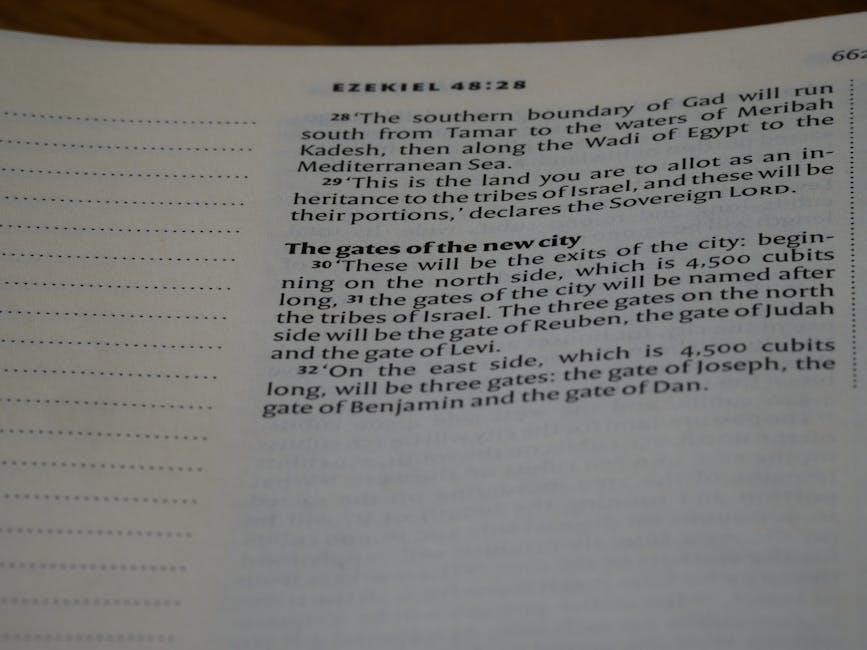
Resources for Biblical History PDFs
Online archives, like Village Church’s resources, and academic databases provide valuable Biblical History PDFs, including timelines and charts for in-depth study.
Online Archives and Libraries
Online archives and libraries serve as crucial repositories for accessing a wealth of Biblical History PDFs, offering diverse perspectives and scholarly resources. Websites like the Village Church (https://www.villagechurch.org/pdf/bible-study/3-Bible-Timelines.pdf) provide readily available materials, such as simplified timelines detailing events from Creation through the expansion of Christianity.
These digital collections often include scanned copies of historical texts, commentaries, and academic papers, enabling researchers and students to explore primary and secondary sources. Many university libraries also offer digital access to relevant materials, expanding the scope of available resources. Searching for keywords like “Biblical history,” “Old Testament timeline,” or “New Testament studies” within these archives can yield significant results.
Furthermore, exploring denominational websites and theological institutions can uncover specialized PDF resources tailored to specific theological viewpoints. These online platforms democratize access to knowledge, making Biblical History more accessible to a global audience.
Academic Databases
Academic databases represent a cornerstone for in-depth research utilizing Biblical History PDFs, offering peer-reviewed articles and scholarly analyses. Platforms like JSTOR, ATLA Religion Database, and ProQuest provide access to a vast collection of academic journals, books, and conference papers relevant to biblical studies.
These databases often feature digitized versions of historical documents and archaeological reports, enriching understanding beyond simple timelines like the “3-Bible-Timelines.pdf” from Village Church. Researchers can refine searches using specific keywords – such as “Patriarchal Age,” “Maccabean Revolt,” or “Pauline Epistles” – to pinpoint relevant PDF resources.
Access to these databases is typically granted through university affiliations or institutional subscriptions. They provide a rigorous and reliable source of information, ensuring the credibility of research findings. Utilizing these resources is crucial for advanced study and scholarly contributions to the field of Biblical History.
Specific PDF Timelines and Charts
Numerous Biblical History PDFs specialize in visual representations of biblical events, offering concise timelines and detailed charts for enhanced comprehension. Resources like the “3-Bible-Timelines.pdf” from Village Church exemplify this approach, condensing millennia into manageable epochs – Creation to the spread of Christianity;
These PDF documents often categorize events by periods (Patriarchal Age, Exodus, United Monarchy) and highlight key figures like Abraham, David, and Jesus. Charts frequently illustrate the relationships between different kingdoms (Assyrian, Babylonian, Egyptian) and their impact on the Nation of Israel.
Such visual aids are invaluable for students and researchers seeking a quick overview or a framework for deeper study. They provide a chronological structure, facilitating the understanding of complex historical narratives. These PDF timelines and charts serve as excellent supplementary materials alongside academic texts and database research.