
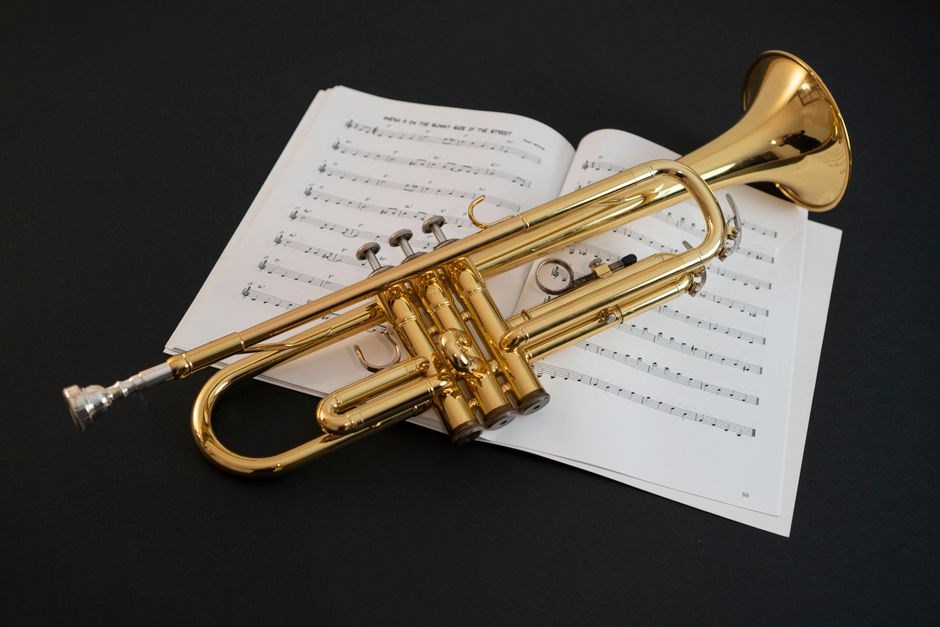
Bach trumpets, famed for their rich tone, offer a range of mouthpieces that shape sound and comfort. The 7Cu starter is widely endorsed for beginners, while deeper A‑C cups suit seasoned players seeking power. Selecting the right cup diameter and depth is key to mastering technique. Ideal for tone and art.

Understanding Mouthpiece Numbers and Letters
Numbers denote cup diameter; lower numbers mean larger diameter. Letters indicate cup depth; earlier letters (A, B) are deeper, later letters (C, D) are shallower. Matching size balances comfort, tone, and technical demands. Beginners choose 7Cu while advanced players may opt for deeper A‑C cups richer.
Numerical Cup Diameter
The Bach system uses a simple numeric scale to indicate cup diameter, measured in thousandths of an inch. Lower numbers correspond to larger diameters, while higher numbers indicate smaller cups. For example, a 7Cu mouthpiece has a diameter of roughly 0.770 inches (19.5 mm), whereas a 4Cu measures about 0.740 inches (18.8 mm). The difference may seem minor, but it significantly affects airflow, resistance, and tonal color. A larger cup allows more air, producing a fuller, more powerful sound, while a smaller cup demands tighter embouchure and can yield a brighter, more focused tone. Players often start with a 7Cu because its moderate diameter offers a comfortable balance for beginners, allowing them to develop control without excessive resistance. As technique improves, musicians may shift to a 6Cu or 5Cu to gain a richer, warmer tone or to a 4Cu for a tighter, more agile sound. The numeric progression is linear, so each step reduces the diameter by roughly 0.01 inches (0.25 mm). Understanding this scale helps musicians choose a mouthpiece that matches their physical comfort, musical goals, and the demands of repertoire. When selecting a size, consider your natural embouchure, the style of music, and the desired tonal palette. A well‑matched cup diameter can enhance playability, reduce fatigue, and unlock a broader expressive range. Choosing the right cup diameter balances comfort, tone, and technical demands, and experimenting with different sizes can reveal subtle nuances that enhance performance everywhere.
Alphabetical Cup Depth
The Bach mouthpiece series uses letters A through C to designate cup depth, with A being the deepest and C the shallowest. Depth influences resistance and tone color: a deeper cup (A) offers a warmer, more resonant sound and requires a looser embouchure, while a shallower cup (C) produces a brighter, more focused tone and demands tighter control. The depth is measured from the rim to the bottom of the cup, and even a 0.02‑inch change can alter airflow dynamics. Players often choose depth based on musical style and personal comfort. Classical repertoire may favor deeper A or B cups for their rich, mellow timbre, whereas jazz or contemporary pieces benefit from the agility of a C cup. Transitioning between depths is common; a player might start on a 7Cu A for a beginner’s comfort, then move to a 6Cu B for a balanced tone, and eventually to a 5Cu C for advanced agility. Understanding cup depth helps musicians select a mouthpiece that aligns with their embouchure, desired tonal palette, and technical demands, ultimately enhancing expressiveness and reducing fatigue during extended playing sessions. Manufacturers also provide depth charts that correlate specific depth measurements with expected resistance levels, allowing players to fine‑tune their mouthpiece choice. For instance, a 7Cu A cup typically measures 0.035 inches in depth, whereas a 5Cu C cup is around 0.020 inches. By mastering the interplay between numerical diameter and alphabetical depth, musicians can craft a personalized approach that balances comfort, tone quality, and technical versatility across all musical contexts.

Bach 7Cu Mouthpiece – The Starter
The Bach 7Cu is the standard entry‑level mouthpiece for beginners, offering a balanced cup diameter and depth that promotes comfortable airflow and a warm tone. Its moderate size supports a relaxed embouchure, making it ideal for early technique development. It also offers solid foundation for later changes.!
Why 7Cu is Recommended for Beginners
For students just starting on the trumpet, the Bach 7Cu mouthpiece offers a balanced cup diameter and depth that promotes a relaxed embouchure and efficient airflow. Its moderate size allows beginners to develop a clear, warm tone without the strain that larger or deeper cups can impose. The 7Cu’s cup depth is shallow enough to encourage a focused sound while still providing enough volume for early repertoire. Because the cup diameter is neither too wide nor too narrow, players can comfortably form the required lip tension, which is essential for consistent intonation and control. The mouthpiece’s design also supports a natural progression; as students advance, they can transition to smaller diameters or shallower depths with minimal adjustment. Many educators recommend the 7Cu as a standard starter because it aligns with the typical Bach trumpet’s original mouthpiece, ensuring a familiar feel for those who have trained on the instrument’s default setup. Additionally, the 7Cu’s affordability and durability make it an attractive choice for schools and private lessons, allowing instructors to provide a reliable, high‑quality mouthpiece that meets the needs of beginners while laying a solid foundation for future growth.
In practice, the 7Cu’s cup volume is roughly 0.7 cubic inches, which is considered optimal for new players. This volume provides enough resistance to help develop a strong buzzing technique while still allowing enough airflow for comfortable play. The mouthpiece’s shallow depth also reduces the risk of a “tight” sound that can occur with deeper cups, giving beginners a more open and resonant tone. Moreover, the 7Cu’s design facilitates a consistent attack across all registers, helping students master the transition between low and high notes. Because the mouthpiece is widely used in educational settings, students often find it easier to compare their technique with peers and instructors, fostering a collaborative learning environment. Finally, the 7Cu’s compatibility with a range of Bach trumpets—from the classic 1B to the modern 3B—ensures that students can use the same mouthpiece throughout their early development, simplifying maintenance and reducing the need for frequent replacements.
When selecting a mouthpiece, it is also important to consider the material and finish. The Bach 7Cu is typically made of brass with a silver plating that offers a bright, reflective sound. The smooth interior surface reduces friction, allowing for easier articulation. For students who are sensitive to temperature changes, the brass construction helps maintain a stable playing temperature, which can improve consistency. In addition, the 7Cu’s rim is designed to fit comfortably on the mouthpiece holder, ensuring a secure fit that prevents unwanted movement during performance. This stability is crucial for beginners who are still mastering the mechanics of the instrument. By starting with the 7Cu, students gain confidence in their embouchure, breath support, and overall technique, setting the stage for a successful progression to more advanced mouthpiece sizes as their skill grows.
Transitioning from 7Cu to Larger Sizes
Students who have mastered the 7Cu often seek a richer, more powerful sound or a different tonal color. The first step in moving to a larger cup is to understand how cup diameter and depth affect resistance and tone. A larger diameter increases the volume of air that can be drawn, which can produce a fuller, more resonant sound but also demands greater breath support. Similarly, a deeper cup adds resistance, encouraging a focused, darker tone. When selecting a larger mouthpiece, beginners should consider a size that is only slightly larger—such as a 6Cu or 5Cu—rather than jumping directly to the largest options. This gradual increase allows the embouchure to adapt without compromising intonation or tone quality. It is also advisable to test the mouthpiece in a controlled setting, such as a practice room, before committing to a purchase. Listening for changes in attack, sustain, and dynamic range can help determine whether the new cup feels comfortable and produces the desired sound. Additionally, many players find that a slight change in cup depth, such as moving from a 7Cu to a 6Cu, can significantly alter the balance between power and clarity. By carefully monitoring these factors, students can make an informed decision that supports their growth while maintaining the technical foundation they built on the 7Cu. Finally, maintaining a consistent practice routine and seeking feedback from a qualified instructor will ensure that the transition enhances overall musicianship rather than creating new challenges.Practicing with a larger mouthpiece helps build the necessary muscle memory and breath control, ensuring that the transition feels natural and enhances performance.now

Size Progression for Advanced Players
Advanced players often move beyond 7Cu, exploring 6Cu, 5Cu, and 4Cu for richer tone and dynamic control. Each step increases cup diameter, demanding stronger embouchure and breath support. Gradual progression ensures smooth adaptation and optimal sound quality!!.
Bach 6Cu, 5Cu, 4Cu – A Typical Path
Advanced players often begin with the 6Cu, a cup that offers a moderate increase in diameter over the 7Cu while maintaining a manageable depth. The 6Cu’s larger opening encourages a fuller tone and greater dynamic range, yet it still requires a solid embouchure that many intermediate players have developed. After mastering the 6Cu, musicians typically transition to the 5Cu. This mouthpiece further expands the cup diameter, providing even more resonance and a richer, more powerful sound. The 5Cu demands increased air support and a tighter embouchure, which can be challenging but rewarding for those seeking a broader tonal palette. Finally, the 4Cu represents the pinnacle of the standard Bach series for advanced players. Its significantly larger cup delivers maximum volume, sustain, and a dramatic tonal shift. The 4Cu’s depth is shallow, requiring precise control and a strong, focused air stream. Players who successfully navigate from 6Cu to 5Cu and then to 4Cu often experience a marked improvement in overall tone, projection, and expressive capability. This typical progression is widely recommended by instructors and professional musicians alike, as it balances technical growth with musical development. By gradually increasing cup size, players can refine their embouchure, strengthen breath support, and ultimately achieve a more robust, versatile trumpet voice. Mastering this progression not only enhances technical prowess but also deepens musical expression, allowing players to explore a wider repertoire with confidence and artistry. Now step builds confidence.

Cup Volume Comparisons (Cubic Inches to Centimeters)
Bach trumpet mouthpiece sizes progress from 7Cu (~0.55 in³, 9.0 cm³) to 6Cu (~0.63 in³, 10.4 cm³), to 5Cu (~0.73 in³, 12.0 cm³), and finally 4Cu (~0.86 in³, 14.1 cm³), each increase requiring more air support and offering a broader tonal range For advanced players. It also affects dynamic range and articulation. Enjoy! Bach trumpet mouthpiece sizes progress from 7Cu (~0.55 in³, 9.0 cm³) to 6Cu (~0.63 in³, 10.4 cm³), to 5Cu (~0.73 in³, 12.0 cm³), and finally 4Cu (~0.86 in³, 14.1 cm³), each increase requiring more air support and offering a broader tonal range For advanced players. It also affects dynamic range and articulation. Enjoy! Bach trumpet mouthpiece sizes progress from 7Cu (~0.55 in³, 9.0 cm³) to 6Cu (~0.63 in³, 10.4 cm³), to 5Cu (~0.73 in³, 12.0 cm³), and finally 4Cu (~0.86 in³, 14.1 cm³), each increase requiring more air support and offering a broader tonal range For advanced players. It also affects dynamic range and articulation. Enjoy! Bach trumpet mouthpiece sizes progress from 7Cu (~0.55 in³, 9.0 cm³) to 6Cu (~0.63 in³, 10.4 cm³), to 5Cu (~0.73 in³, 12.0 cm³), and finally 4Cu (~0.86 in³, 14.1 cm³), each increase requiring more air support and offering a broader tonal range For advanced players. It also affects dynamic range and articulation. Enjoy! Bach trumpet mouthpiece sizes progress from 7Cu (~0.55 in³, 9.0 cm³) to 6Cu (~0.63 in³, 10.4 cm³), to 5Cu (~0.73 in³, 12.0 cm³), and finally 4Cu (~0.86 in³, 14.1 cm³), each increase requiring more air support and offering a broader tonal range For advanced players. It also affects dynamic range and articulation. Enjoy!

Selecting a Mouthpiece for Your Skill Level
Beginner players often start with a Bach 7Cu, offering a diameter for embouchure.
Intermediate players may shift to 6Cu or 5Cu, balancing air support.
Advanced players choose 4Cu or 3Cu for projection and dynamic range.
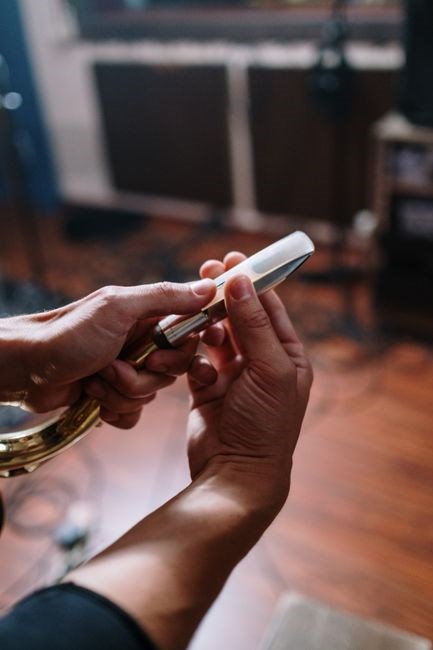
Budget buyers should compare MSRP and consider options, as mouthpieces remain affordable!
Beginner, Intermediate, Advanced – Matching Mouthpiece

Choosing the right mouthpiece depends on a player’s experience, embouchure strength, and desired tone. For novices, a Bach 7Cu offers a generous cup diameter that eases air flow and supports a relaxed embouchure, allowing focus on tone production and intonation. As a player gains control, moving to a 6Cu or 5Cu introduces a slightly smaller diameter and a deeper cup, encouraging tighter air support and improving agility. Advanced players often opt for 4Cu or 3Cu, which provide a smaller cup diameter and a shallower depth, demanding precise embouchure and increased air pressure, resulting in a brighter, more powerful sound. The progression from 7Cu to 4Cu is gradual; each step should be tested for comfort and tonal suitability. A practical approach is to try each size in a controlled setting, evaluating ease of playing, response, and projection. Additionally, consider the instrument’s bore size and the player’s physical dimensions, as a mouthpiece that feels too large can hinder advanced technique, while one that is too small may restrict beginners. Ultimately, matching mouthpiece to skill level ensures a balanced development of tone, endurance, and technical proficiency. When selecting a mouthpiece, players should also consider the instrument’s bore size, the trumpet’s overall weight, and personal comfort, as these factors influence the ease of transitioning between sizes and the longevity of the mouthpiece’s performance. A gradual progression keeps embouchure healthy and tone steady!!
Budget Considerations and Pricing
When budgeting for a Bach trumpet mouthpiece, it’s essential to balance quality with cost. The entry‑level 7Cu typically retails between $70 and $90, making it an attractive option for students and budget‑conscious players. The mid‑range models such as the 6Cu and 5Cu fall in the $90–$120 bracket, offering a noticeable improvement in tone and response while still remaining affordable. For more advanced players, the 4Cu and 3Cu can command $120–$160, reflecting their deeper cup and larger diameter, which demand higher craftsmanship. Premium editions—such as the Bach Standard Series or the “Special Edition” models—can exceed $200, often featuring unique alloys or hand‑polished finishes that appeal to collectors and professionals. It’s also worth noting that used mouthpieces can provide significant savings; a gently used 7Cu may be found for $40–$50, while a 4Cu can be purchased for $80–$100 on reputable resale sites. When shopping, always verify the cup diameter and depth to ensure compatibility with your instrument and playing style. Finally, consider the cost of maintenance: a mouthpiece’s longevity depends on proper cleaning and occasional replacement of the mouthpiece’s internal components, which can add $10–$20 per year. Players should also be mindful that the initial purchase is only part of the cost; regular cleaning supplies, a mouthpiece cleaning brush, and occasional replacement of the mouthpiece’s internal components can add $15–$30 annually. Many retailers offer bundle deals or seasonal discounts that can reduce the overall cost by up to 10%. By evaluating these factors, players can make an informed decision that aligns with both their budget and musical aspirations and enjoy the journey today!

Common Misconceptions About Cup Depth and Shape
Many players mistakenly equate cup depth with overall size, assuming a “deep” cup always yields a fuller tone. In reality, depth interacts with diameter; a shallow cup can produce a bright, focused sound if paired with a larger diameter. Likewise, the “modified V” label is often misunderstood as a universal fit, yet it merely describes a slight curvature that may suit some players but not all. Some musicians believe that a larger cup volume automatically means a more powerful sound, ignoring the fact that volume is a function of both depth and diameter. Others think that a deeper cup is always better for beginners, but beginners often benefit from a slightly shallower cup that encourages proper embouchure and reduces fatigue. The shape of the cup—whether it’s a classic “V” or a more modern “modified V”—also affects resistance and airflow, which can be misinterpreted as a direct indicator of tone quality. Finally, many assume that the numerical cup diameter is the sole determinant of comfort; however, the internal geometry, rim thickness, and material composition all play significant roles in how a mouthpiece feels during extended practice sessions. Understanding these nuances helps players choose a mouthpiece that truly matches their technique, style, and comfort preferences. These misconceptions can lead to frustration, but with careful experimentation and guidance, players can discover the mouthpiece that best complements their individual sound and technique. Regular practice with the right cup depth and diameter can dramatically improve tone stability and reduce embouchure strain. Enjoy the journey.!!
The journey through Bach mouthpieces reveals that size, depth, and shape intertwine to shape a trumpeter’s voice. A 7Cu cup offers a balanced entry point, while deeper A‑C cups invite power for advanced players. Yet depth alone does not dictate tone; diameter, rim geometry, and material all influence resistance and airflow. Misconceptions abound: a “deep” cup is not inherently richer, a larger volume does not guarantee volume, and the modified V label is merely a subtle curvature, not a universal fit. Selecting a mouthpiece demands experimentation, mindful of comfort, embouchure, and musical intent. Budget considerations matter; a higher‑grade cup may offer better durability and tonal nuance. Ultimately, the right mouthpiece is a personal match—one that supports healthy technique, delivers the desired timbre, and withstands the rigors of practice and performance. By understanding the interplay of cup diameter, depth, and shape, players can make informed choices that elevate their sound and sustain their passion for the trumpet.
Keep experimenting, enjoy now.