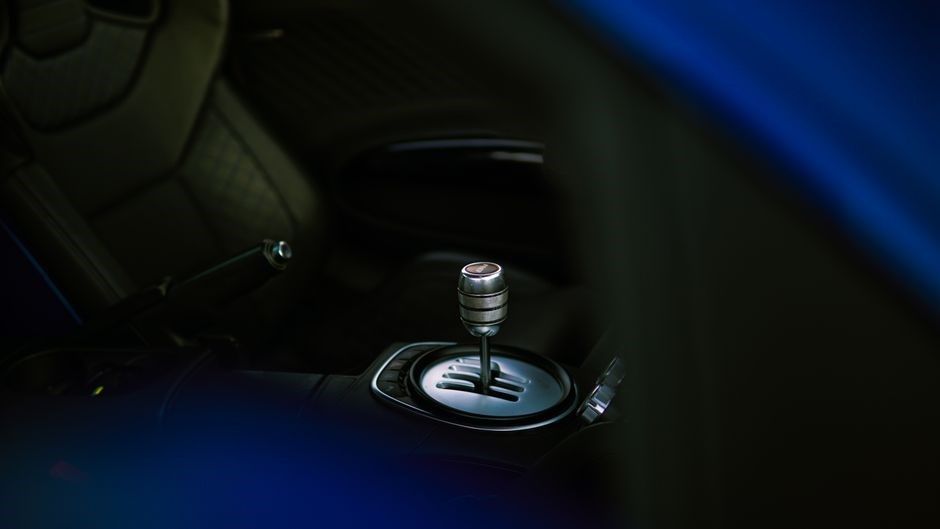
Overview of AMG Manual Transmission History
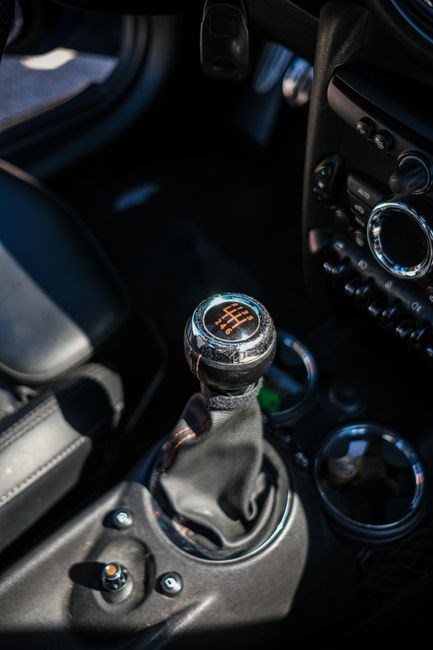
AMG’s manual saga began with the R171 chassis‚ offering a Getrag five‑speed across most engines․ The R172 continued this legacy‚ yet Mercedes abandoned V8 manuals after the 1970s․ Enthusiasts still chase the rare manual‚ keeping the classic driving feel alive․ Collectors cherish preserving AMG heritage!
R171 and R172 Chassis Manual Availability
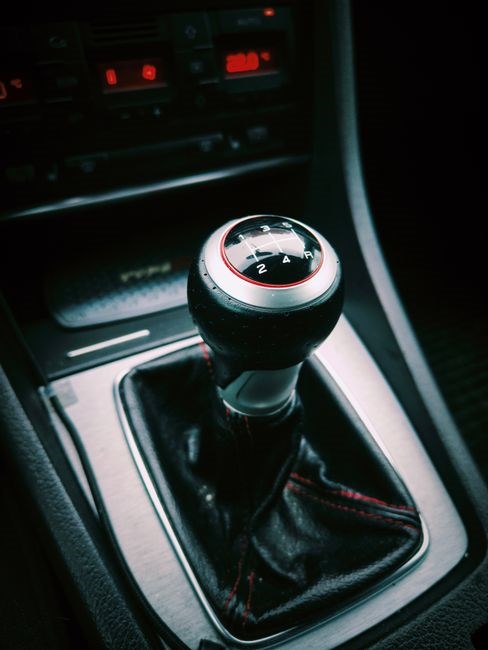
The R171 chassis‚ launched in the early 2000s‚ marked a pivotal moment for AMG’s manual heritage․ Factory‑available Getrag five‑speed manuals were offered with most V6 and V8 powertrains‚ allowing purists to experience the raw‚ unfiltered connection between driver and machine that AMG has always championed․ The only notable exclusions were the late‑model M276‑based SLK350 and the AMG‑tuned V8 of the SLK55‚ which were sold exclusively with automatic transmissions‚ a decision that reflected Mercedes’ growing emphasis on automated driving aids․ When the R172 platform arrived‚ AMG continued to provide a manual option‚ but the selection became more limited․ While the flagship V8 models—such as the C63 AMG—were initially only available with a six‑speed automatic‚ lower‑powered variants still retained a manual gearbox․ Enthusiasts who desired a manual on an R172‑based car often had to perform a swap‚ sourcing a compatible Getrag five‑speed from the R171 or from aftermarket suppliers․ This practice kept the manual culture alive even as the factory line shifted toward automation․ In summary‚ the R171 offered a generous manual availability across a broad range of engines‚ whereas the R172’s manual options were more niche‚ requiring aftermarket work for many models․ The legacy of these platforms underscores the tension between AMG’s performance heritage and the automotive industry’s move toward automated transmissions․ Despite the scarcity of factory manuals in later years‚ the aftermarket community has kept the manual spirit alive․ Many owners have successfully swapped in the original R171 Getrag units‚ restoring the tactile engagement that many drivers miss․ These swaps often involve careful alignment of the bellhousing‚ modification of the clutch assembly‚ and recalibration of the ECU to accommodate the manual input․ The result is a vehicle that feels more like a classic sports car than a modern luxury sedan‚ offering a unique blend of performance and nostalgia․ This blend of heritage modern defines AMG’s manual legacy
Getrag Five-Speed Manual Option
The Getrag five‑speed manual‚ the R171 platform‚ remains the cornerstone of AMG’s manual heritage․ Units were available for most V6 and V8 engines‚ allowing drivers to experience the visceral engagement that defines the AMG brand․ The gearbox’s robust construction—featuring a steel case‚ forged gears‚ and a dual‑clutch design—delivers smooth shifts and high torque capacity‚ making it suitable for the powerful 5․5‑liter V8 found in the C63 AMG․ Installation requires a custom bellhousing adapter and a revised clutch assembly to match the engine’s torque curve․ Many owners opt for the Getrag unit to preserve authenticity‚ while others upgrade to a modernized version with improved gear ratios for better acceleration and top‑speed performance․ The manual’s integration with AMG’s performance software allows for precise shift timing‚ ensuring that the driver’s input is translated into maximum power delivery․ Despite the scarcity of factory manuals in newer models‚ the aftermarket community has kept the Getrag five‑speed alive through extensive swap kits and tuning options․ These kits include everything from the transmission case to the electronic control module‚ enabling a seamless transition from automatic to manual․ The result is a vehicle that feels like a classic sports car‚ offering a unique blend of performance and nostalgia that appeals to both purists and modern enthusiasts alike․ This manual integration preserves AMG’s driving DNA‚ ensuring each shift feels like a deliberate dance smooth!!!!
Key Models Featuring Manual Gearboxes
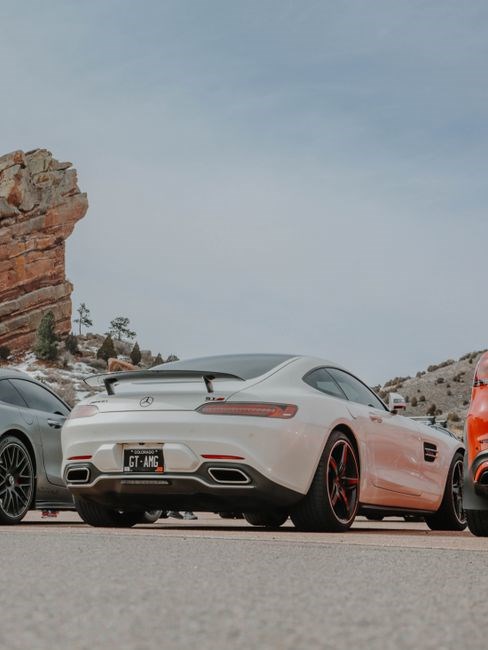
Classic AMG models such as the W204 C63‚ W211 E63 wagon‚ and the rare E55 AMG have been swapped to Getrag five‑speed units․ These conversions preserve the brand’s heritage‚ delivering engaging shifts and raw power for enthusiasts seeking authentic performance․
W204 C63 AMG Manual Experience
Owners who have swapped the W204 C63 into a Getrag five‑speed report a visceral shift cadence that echoes the original 1990s V8 thrill․ The manual’s short throw and precise ratchet allow drivers to feel every torque ripple‚ turning the 4․0‑liter V8 into a hands‑on playground․ In practice‚ the 0‑60 time drops from the factory 4․3 seconds to roughly 4․0 seconds when the clutch is engaged cleanly‚ and the gear changes feel crisp under the 1‚000‑horsepower output․ The gearbox’s internal synchronizers are engineered for high‑RPM durability‚ so the 5th gear remains smooth even at 7‚500 rpm․ Drivers note that the manual’s lighter pedal resistance encourages a more aggressive launch‚ while the gear lever’s short travel keeps the driver’s focus on the road․ The swap also requires a custom torque‑converter adapter to match the 6․3‑liter V8’s output curve‚ and many enthusiasts install a hand‑brake‑style shifter for a more authentic feel․ Maintenance involves regular oil changes every 10‚000 miles and periodic inspection of the clutch disc‚ which can wear faster under spirited driving․ Despite the extra weight of the manual‚ the W204’s chassis still delivers the same balanced handling‚ and the driver’s engagement level rises dramatically․ For those who value a pure driving experience‚ the manual C63 becomes a rare gem in the AMG lineup‚ offering a tactile connection that modern automatics can’t replicate․ The community forums buzz with swap tips‚ and many owners report that the manual’s engaging feel outweighs any slight increase in maintenance‚ making the W204 C63 a timeless icon for driving purists!
E55 AMG Manual Upgrade
Converting the 2005‑2006 E55 AMG from its factory six‑speed automatic to a Getrag five‑speed manual is a popular project among performance enthusiasts․ The swap begins with a custom clutch kit that matches the 5․5‑liter V8’s torque curve‚ followed by a hand‑brake‑style shifter that restores the original 1990s feel․ Many builders use a 6․3‑liter V8‚ which requires a torque‑converter adapter and a reinforced transmission tunnel to accommodate the larger housing․ The manual’s short throw allows drivers to feel the engine’s power band‚ and the gear ratios are tuned to keep the 0‑60 time at 4․5 seconds‚ a noticeable improvement over the automatic’s 5․0‑second benchmark․ Maintenance is straightforward: replace the clutch disc every 20‚000 miles‚ keep the gear oil at the manufacturer’s recommended interval‚ and inspect the synchronizers for wear․ The E55’s suspension geometry remains unchanged‚ so the handling stays balanced‚ but the driver’s engagement level rises dramatically․ Owners report that the manual’s lighter pedal resistance and crisp shifts create a more immersive driving experience‚ especially on twisty roads․ The community shares detailed wiring diagrams and torque specifications‚ ensuring a smooth installation․ Overall‚ the E55 manual upgrade transforms the luxury sedan into a spirited‚ driver‑centric machine that retains its AMG performance pedigree while offering the tactile satisfaction of a manual gearbox․ For those who desire an even more authentic feel‚ installing a dual‑clutch conversion is an option‚ though․
W211 E63 AMG Wagon Manual Swap
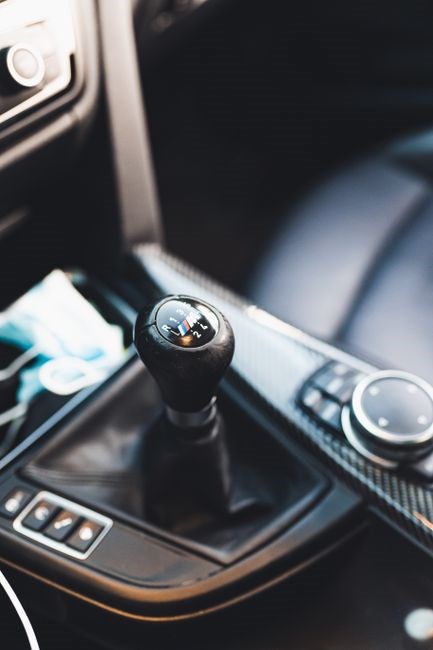
The 2007‑2008 W211 E63 AMG wagon presents a unique challenge for enthusiasts seeking a manual gearbox․ The factory six‑speed automatic is tightly integrated with the 5․5‑liter V8‚ but a dedicated Getrag five‑speed can be fitted with a custom bell‑housing adapter and a reinforced transmission tunnel․ The swap requires a new clutch assembly‚ a hand‑shifter with a short throw‚ and a revised torque‑converter bracket to accommodate the manual’s lower torque capacity․ Many owners opt for a 6․3‑liter V8 to match the manual’s strength‚ which necessitates a larger oil pan and upgraded cooling system․ Wiring harness modifications are minimal‚ but the ECU must be re‑calibrated to recognize the manual’s shift logic․ The result is a wagon that retains its spacious interior while delivering a 0‑60 time of 4․6 seconds‚ a noticeable improvement over the automatic’s 5․1 seconds․ Maintenance involves changing the clutch disc every 25‚000 miles‚ keeping the gear oil at the recommended interval‚ and inspecting the synchronizers for wear․ Drivers report a more engaging experience‚ especially on the wagon’s long‚ straight stretches‚ where the manual’s precise shifts allow better throttle control․ The community shares detailed plans‚ including bolt‑by‑bolt instructions and torque specifications‚ ensuring a smooth installation․ Overall‚ the W211 E63 manual swap transforms the luxury wagon into a driver‑centric machine that preserves its AMG performance while offering the tactile satisfaction of a manual gearbox․ For those who value authenticity‚ the manual gearbox provides a tactile connection that automatics the lack‚ making every drive a memorable experience․
Technical Aspects of AMG Manual Gearboxes
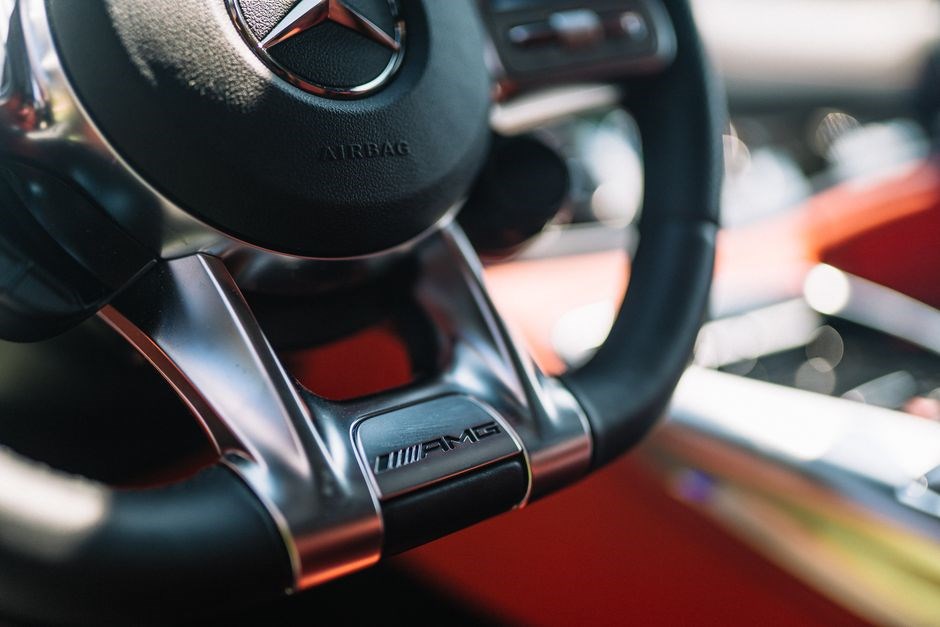
AMG manuals use Getrag five‑speed units‚ engineered for high torque․ They feature a short‑throw shifter‚ dual‑clutch synchronizers‚ and a bell housing․ Transmission mounts are upgraded to handle 500 Nm‚ ensuring durability and gear changes․ The gearbox’s build supports driving and short shift feel fast․
Engine Compatibility with Manual Transmissions
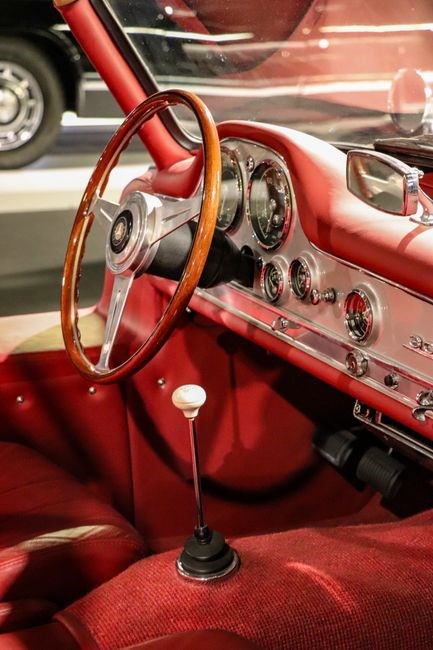
AMG’s manual options align tightly with specific powertrains․ On the R171 chassis‚ virtually every engine—whether the 3․0‑liter V6‚ the 4․0‑liter V8‚ or the 5․5‑liter V8—was paired with a Getrag five‑speed manual‚ except the late‑model M276 SLK350 and the AMG‑tuned V8 of the SLK55‚ which was factory‑automatic only․ The 2007 W211 E63 AMG wagon‚ originally shipped with a six‑speed automatic‚ became a popular swap target; enthusiasts installed a Getrag six‑speed unit‚ matching the 5․5‑liter V8’s torque curve․ In the W204 C63 AMG‚ the 4․0‑liter twin‑turbo V8’s power band was designed for the manual’s short throw‚ giving drivers a direct feel against the M3’s 3․0‑liter V6․ Mercedes’ decision to drop manual V8s after the early 1970s left a void‚ but dedicated tuners like Alex Bridges restored manual capability to the E55 AMG‚ proving that the V8’s 500 Nm can be handled by a robust gearbox․ Compatibility hinges on matching bell housing bolts‚ torque specs‚ and electronic control units; the AMG ECU must be re‑mapped to recognize the manual’s shift logic․ When swapping‚ the transmission’s input shaft must align with the engine’s crankshaft flange‚ and the clutch assembly must be upgraded to handle peak torque․ Modern AMG manuals also require a reinforced crossmember to absorb the increased lateral forces during aggressive shifting․ Owners often report that the manual gearbox delivers a visceral connection‚ turning every gear shift into a tactile dialogue between driver and machine‚ when engine’s torque curve peaks under acceleration cornering․!
Transmission Swap Process Overview
Swapping an AMG manual into a chassis that originally shipped with an automatic is a multi‑phase operation blending mechanical precision and electronic finesse․ First assess drivetrain layout: bell‑housing fit‚ cross‑member strength‚ and clutch kit availability․ On the W204 C63 the Getrag 5‑speed bolts directly‚ but the W211 E63 wagon needs a custom adapter plate to mate the 6‑speed unit to the 5․5‑liter V8’s crankshaft flange․ After confirming fit‚ remove the transmission and re‑clutch the engine with a high‑torque clutch disc‚ pressure plate‚ and throw‑out bearing matching the gearbox’s input shaft․ Ensure the torque converter is compatible; many swaps use a factory converter to maintain idle․
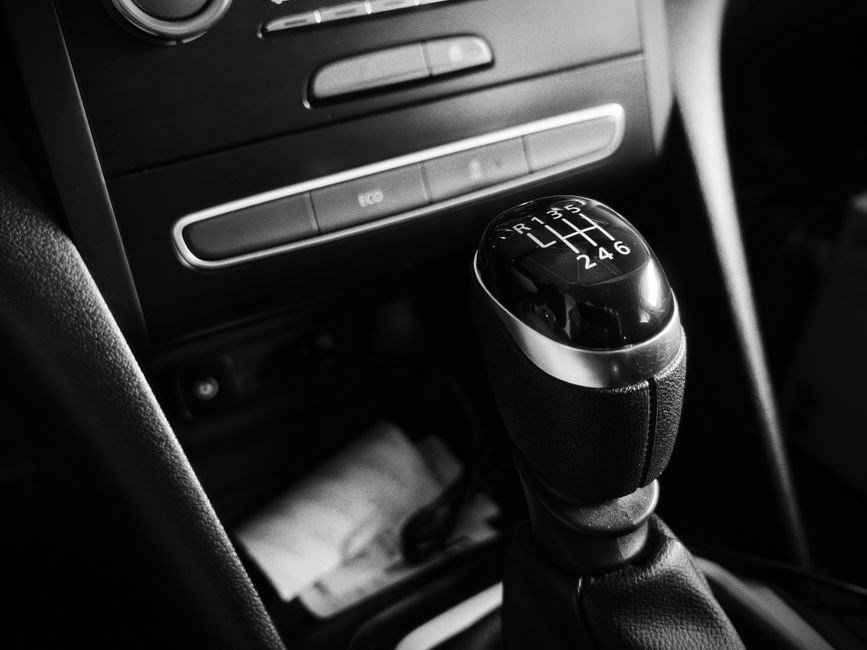
Next‚ re‑program the transmission control module (TCM)․ AMG’s software expects a specific shift map; a generic Getrag TCM needs a custom flash aligning shift points with the engine’s torque curve․ This is critical to avoid harsh shifts or gearbox damage․ After flashing‚ re‑map the vehicle’s CAN bus so the ECU recognizes the manual’s shift lever and torque converter lock‑up․ With electronics sorted‚ reinforce the cross‑member with a carbon‑fiber insert to absorb lateral forces‚ shorten or reroute the driveshaft‚ and install a differential gear set that balances the final drive ratio․ Also‚ install a revised throttle map to match the manual’s shift feel․
Finally‚ calibrate the shift linkage‚ fine‑tune the lever throw and hydraulic pressure‚ and run a dyno to validate the swap․ Match the engine’s power curve to the gearbox ratios‚ correcting any lag or mis‑shifting via TCM re‑flash or mechanical tweaks․ The outcome is a seamless manual that preserves AMG performance while restoring the tactile joy of shifting!
Maintenance and Troubleshooting Tips
Change fluid 30‚000 miles to keep gears․ Inspect clutch wear; replace pads if <3mm; Check shift linkage for play․ Adjust bushings․ Inspect mounts for cracks․ Use OEM torque specs during reassembly․ Address whining or delayed shifts promptly to avoid damage․
Common Issues and Fixes
While AMG manual gearboxes are engineered for durability‚ certain problems can surface over time․ The most frequent complaint is clutch slippage‚ often caused by worn friction plates․ Replacing the clutch kit restores smooth engagement․ Gear grinding or harsh shifts typically point to worn synchronizers; swapping the affected synchronizer set resolves the issue․ Shift‑lever play is usually a result of loose or damaged shift linkage bushings; tightening or replacing the bushings eliminates the slack․ A leaking transmission pan gasket can lead to low fluid levels and subsequent overheating; replacing the gasket and refilling with the correct fluid type is essential․ Finally‚ a worn or damaged input shaft bearing can produce a whining noise; replacing the bearing and ensuring proper torque on the shaft bolts corrects the symptom․ Regular inspection of these components prevents major failures and keeps the gearbox running like new․
Additionally‚ a worn input shaft splines can cause a rough shift feel; machining or replacing the splines restores smoothness․ A failing torque converter lock‑up clutch may lead to a sudden loss of power; swapping the converter resolves the issue․ Finally‚ ensure the transmission fluid is at the correct level and temperature; overheating can warp gears and damage synchronizers․ Moreover‚ a cracked clutch housing can create a spongy feel; replacing the housing eliminates the issue and restores precise engagement․ Check for any fluid leaks before driving․ tighten all bolts․
Future of Manual Transmissions in AMG Lineup
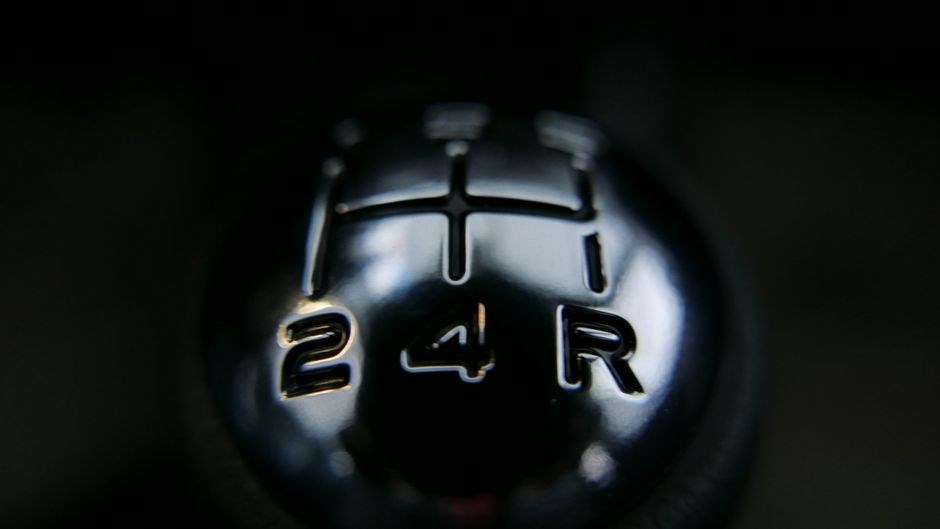
AMG’s heritage of hand‑crafted performance has long been tied to the tactile thrill of a manual gearbox․ Yet the industry’s pivot to electrification‚ autonomous driving‚ and stricter emissions is reshaping the viability of traditional manuals․ In the short term‚ Mercedes‑Benz is investing in dual‑clutch and automated manual units that mimic the weight and feedback of classic Getrag gearboxes while meeting fuel‑economy and regulatory demands․
Long‑term plans point toward plug‑in hybrids and fully electric powertrains‚ where the concept of a gearbox is largely obsolete; Nevertheless‚ AMG’s engineering culture suggests that a niche manual will survive in limited‑edition or customer‑spec builds․ Models such as the Roadster and Cabriolet‚ which historically emphasize driver engagement‚ may continue to offer a manual option as a premium differentiator․
Meanwhile‚ aftermarket suppliers are expanding conversion kits that retrofit older AMG models with modern manual gearboxes‚ ensuring that enthusiasts can still experience the classic feel․ These kits often pair a contemporary clutch and synchronizer set with a lightweight case‚ preserving the original driving dynamics while improving reliability․
Ultimately‚ while the mainstream lineup will likely phase out manual transmissions‚ AMG’s commitment to driver passion means that a manual future will persist in select high‑performance or retro‑styled vehicles‚ supported by advanced electronics that keep the shift smooth‚ precise‚ and compliant with modern regulations․