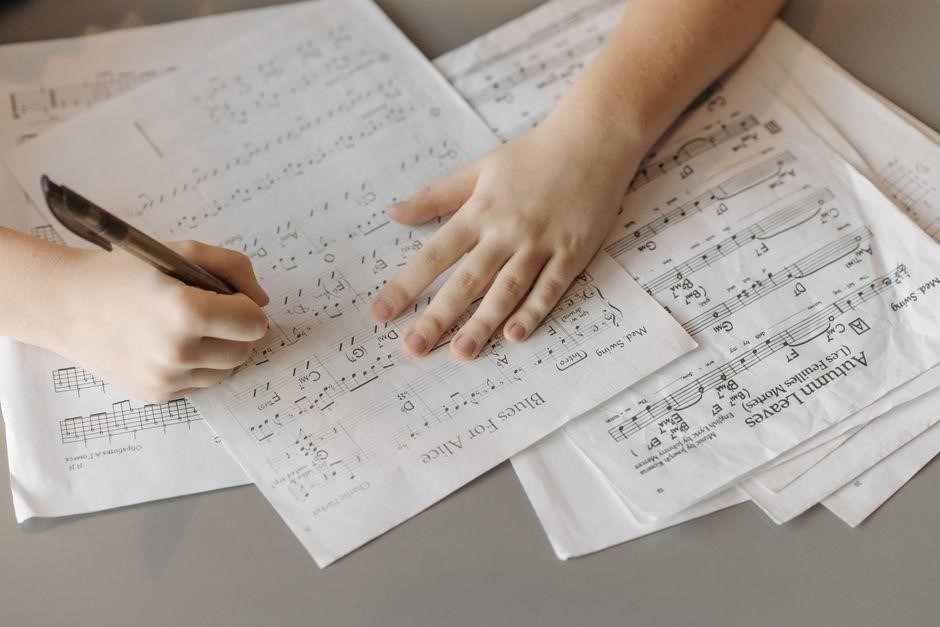
Rush E, a piano piece, blends arpeggios and melodic hooks, captivating listeners worldwide. Sheet music provides the roadmap for performers, detailing notes, dynamics, and tempo. Accessing free PDF PDFs allows enthusiasts to practice, analyze, and share the composition’s energy..
1.1 What Is Rush E?
Rush E is a contemporary piano piece that has become a viral hit on platforms like TikTok, YouTube, and Instagram. Created by the Swedish composer known as “Rush,” it blends rapid arpeggios, syncopated chords, and a soaring melody that invites both casual listeners and virtuoso pianists to explore its rhythmic complexity. The structure follows a clear progression: an opening motif establishing a driving tempo, a middle section with a lyrical counter‑point, and a climactic finale showcasing technical prowess. Musicians worldwide embrace Rush E for its pop sensibility and classical technique, making it a staple in modern piano repertoires. The piece’s popularity has spurred countless cover videos, tutorials, and arrangement discussions online. Consequently, many pianists seek sheet music to learn the work accurately, while others desire free PDF downloads for practice without cost. Official or fan‑made PDFs provide chord charts, fingerings, and dynamic markings, easing access for beginners. However, distinguishing legitimate, copyright‑compliant sources from unauthorized copies is essential to respect the composer’s rights. Understanding the legal framework allows musicians to enjoy Rush E responsibly and support the creator’s artistic contributions. In summary, Rush E merges technical demands with melodic appeal, and its free PDF sheet music offers a gateway for pianists to engage with its energetic spirit. This piece challenges pianists to balance speed with clarity. It fuels creativity daily!
1.2 Importance of Sheet Music
For pianists, sheet music is the bridge between the composer’s intent and the performer’s interpretation. It provides a precise notation of pitch, rhythm, dynamics, and articulation, enabling musicians to reproduce a piece faithfully. In the case of Rush E, the rapid arpeggios and syncopated patterns demand accurate fingerings and tempo markings; a well‑crafted PDF sheet music offers clear guidance, reducing guesswork and preventing errors that could compromise the piece’s energy. Moreover, sheet music serves as a learning tool: by studying the score, players can analyze harmonic progressions, identify structural motifs, and develop technical strategies for challenging passages. For educators, having a reliable PDF allows them to design lesson plans, assign targeted exercises, and assess progress objectively. In a digital age where many musicians rely on video tutorials, sheet music remains essential for those who wish to internalize the composition beyond visual cues. Free PDF downloads democratize access, allowing beginners and advanced players alike to practice without financial barriers, fostering a broader community of Rush E enthusiasts. Finally, possessing the official score encourages ethical engagement, ensuring that performers respect copyright while enjoying the music. Thus, sheet music is indispensable for accurate performance, pedagogical depth, and community growth. Additionally, sheet music facilitates collaboration among musicians; by sharing a common notation, ensembles can rehearse together, aligning their interpretations. It also supports archival purposes, preserving the work for future generations and enabling scholarly research into performance practice. For composers, the availability of accurate scores encourages feedback and iterative refinement, as performers can point out ambiguities or suggest alternative fingerings. In the context of Rush E, where the tempo can vary dramatically across different renditions, the PDF clarifies the intended metronome marking, ensuring consistency across performances. Furthermore, sheet music can be annotated with personal notes, allowing players to record insights, rehearsal reminders, or technical challenges, turning the PDF into a dynamic learning resource rather than a static document. The combination of visual notation and digital convenience makes free PDFs a powerful tool for self‑study, especially for those who cannot afford expensive music books. By embracing sheet music, pianists not only honor the creative vision of Rush but also contribute to a vibrant, collaborative musical ecosystem that thrives on shared knowledge and mutual improvement. Ultimately, the accessibility of Rush E sheet music PDFs empowers musicians worldwide to explore, perform, and share this modern masterpiece with confidence and respect. By integrating sheet music into practice routines, players can track progress, identify recurring mistakes, and celebrate incremental improvements, turning each rehearsal into a measurable step toward mastery. Such structured growth is the hallmark of disciplined musicianship.
Legal Aspects of Free PDF Downloads
Downloading Rush E PDFs for free hinges on copyright status. If the score is public domain or the publisher grants free use, it’s legal. Otherwise, sharing or downloading without permission violates law, risking penalties. Always verify license before accessing. Check terms. OK!
2.1 Understanding Copyright Law
Copyright law protects original works of authorship, including musical compositions and their written scores. In most jurisdictions, the rights to a piece like Rush E are automatically secured upon creation, granting the composer exclusive control over reproduction, distribution, and public performance. These rights typically last for the life of the author plus an additional 70 years, after which the work enters the public domain and can be freely used by anyone. However, the specific status of Rush E depends on its publication date and the country’s legislation. If the composer has not yet passed away or the score was published after the 70‑year threshold, the sheet remains under copyright, and downloading or sharing a PDF without explicit permission is illegal. Conversely, if the work has entered the public domain, it can be shared freely, but it is still wise to verify the source to ensure no derivative or altered versions are being distributed. Additionally, many publishers offer free or low‑cost arrangements for educational or non‑commercial use, often requiring a simple registration or acknowledgment. Understanding these nuances helps musicians avoid infringement while accessing valuable resources for practice and performance. Moreover, musicians should consult copyright regulations, as regions offer exemptions for educational use that allow sharing of sheet music under conditions ensuring compliance fostering learning
2.2 Legitimate Free Sources
For musicians seeking Rush E sheet music PDFs without violating copyright, several reputable avenues exist. First, official publisher websites often host a limited set of free arrangements for educational or promotional purposes; these are typically labeled “sample” or “demo” and come with clear usage terms. Second, public‑domain repositories such as the International Music Score Library Project (IMSLP) provide scores that have expired protection, but only if the piece is truly in the public domain—an uncommon status for recent works. Third, academic institutions sometimes release faculty‑approved arrangements through their music departments, especially when the piece is used in curriculum or performance workshops. Fourth, some composers voluntarily release their own arrangements under Creative Commons licenses that allow non‑commercial sharing; these can be found on platforms like SoundCloud or Bandcamp where the composer explicitly states the license. Finally, professional music education platforms—such as Sheet Music Plus or Musicnotes—offer free trial downloads or sample pages that give a glimpse of the full score; these are intended for preview and must be purchased for full access. Always verify the license or copyright status before downloading or distributing any PDF, and respect the composer’s intent by using the material only in the manner permitted by the source. Additionally, many community‑run libraries curate collections of free sheet music for practice, but users should always double‑check the licensing information provided on each page to ensure compliance. By leveraging these legitimate channels, pianists can legally access Rush E scores, enrich their repertoire, and support the broader musical ecosystem without risking infringement. Enjoy, share. and!!
Where to Find Free Rush E PDFs
Search official sites, community forums, and educational portals. Many musicians host free PDFs for practice and study. Ensure links are safe and respect copyright. Explore reputable platforms that offer Rush E sheet music without charge, enhancing your learning journey. Thanks!
3.1 Official Publisher Resources
Many publishers offer free PDFs of Rush E for educational purposes. Check the official website of the composer’s publishing house, which often hosts a “free sheet music” section. These PDFs are typically high‑resolution, include editorial markings, and are legally licensed for personal use. Some publishers also provide downloadable practice tracks, tempo markings, and dynamic annotations to aid interpretation. If the publisher offers a subscription, you can often access a limited number of free downloads per month. Always verify the license terms to ensure compliance with copyright laws. For example, the publisher’s “Student Resources” page may list Rush E alongside other popular pieces, allowing students to download the PDF directly. Additionally, many publishers partner with music education platforms, offering bundled PDFs with interactive tools. These resources are invaluable for pianists seeking accurate, high‑quality scores without cost. Moreover, many publishers provide supplementary materials such as annotated performance notes, tempo rubrics, and audio recordings that accompany the PDF, allowing students to hear the intended phrasing and dynamics before attempting to play. These extras are often bundled in a zip file or hosted on a dedicated download page, and they can be accessed for free as part of the educational package. These resources are available, helping students in practice and refine their technique.
3.2 Community Forums and Sharing Sites
Online communities dedicated to piano enthusiasts often host user‑generated Rush E PDFs. Sites like Reddit’s r/piano or PianoWorld forums feature threads where members upload scanned scores and share links. These PDFs are typically annotated by experienced players, offering insights into fingering, phrasing, and tempo choices. Users can comment on each version, helping newcomers select the most accurate rendition. Additionally, platforms such as 8Notes and MusicTheory.net provide free downloads, often accompanied by audio samples and playback tools. When accessing these resources, it’s essential to verify the file’s integrity and ensure it matches the official edition. Some forums host discussion threads that compare different transcriptions, allowing users to choose a version that best suits their skill level. The collaborative nature of these sites means that scores are frequently updated based on community feedback, ensuring that the PDFs remain current and error‑free. For those looking to contribute, many forums encourage members to upload their own transcriptions, fostering a shared learning environment. By engaging with these communities, pianists can not only obtain Rush E PDFs at no cost but also gain valuable performance advice from fellow musicians
When downloading from community sites, always scan for malware and verify that the PDF opens correctly. Many users attach short video or audio clip to demonstrate the intended tempo, which can be invaluable for beginners. These communities also host live jam sessions where members play the piece together, offering real‑time feedback. Finally, remember that while these PDFs are freely shared, respecting the original composer’s rights is crucial
3.3 Educational Platforms
Educational platforms often host a variety of music resources, including free PDFs of contemporary pieces like Rush E. Sites such as MuseScore, IMSLP, and the Music Theory Academy provide user‑generated scores that are typically shared under Creative Commons licenses. By registering for a free account, students can download the sheet music, annotate it directly within the platform, and even export it to PDF for offline use. Additionally, many university libraries partner with digital repositories, granting students access to licensed copies through campus credentials. Some platforms offer interactive tutorials that overlay the score with playback, allowing learners to hear each measure as they read. This dual‑mode approach reinforces sight‑reading skills and deepens musical understanding. For those seeking peer feedback, community forums integrated into the platforms enable sharing of personal transcriptions and performance videos. Finally, many educational sites provide downloadable practice tracks, tempo‑adjustable backing, and chord‑progression breakdowns, making the learning process both comprehensive and engaging.
Moreover, many platforms host community‑curated playlists pairing the sheet with accompaniment tracks, letting students practice ensemble playing. Some sites offer step‑by video tutorials highlighting fingerings and tempo changes, bridging theory and performance for a holistic learning experience.
Managing and Using Your PDF Collection
Organize Rush E PDFs by date, difficulty, or key. Use descriptive filenames, tag with keywords and store in dedicated folders. Back up on cloud services, and annotate with PDF editors to mark practice sections, ensuring workflow! now
4.1 File Organization Tips
When curating a library of Rush E sheet‑music PDFs, a systematic approach saves time and prevents data loss. Start by creating a master folder, e.g., “Rush E Sheet Music,” and subfolders for each key signature or arrangement type. Use a consistent naming convention such as “RushE_Original_2024.pdf” or “RushE_Cover_2023.pdf.” This makes search by name trivial and eliminates duplicate downloads. Tag each file with metadata—artist, arranger, key, and difficulty level—using PDF annotation tools or a spreadsheet that links file paths to attributes. Store the spreadsheet in the same root folder for quick reference. Back up the entire collection to a cloud service (Google Drive, Dropbox, or OneDrive) and enable version history so that accidental edits can be undone. For local storage, use a solid‑state drive with a dedicated partition to avoid fragmentation. When you add new PDFs, run a checksum (MD5 or SHA‑256) to verify file integrity against the source. If you share the collection with peers, create a shared folder with read‑only permissions and a readme file that explains the folder structure and naming rules. Finally, automate routine tasks: use a script to rename files in bulk, generate thumbnails for quick preview, and update the spreadsheet whenever a new file is added. By following these practices, you maintain a clean, searchable, and resilient PDF library that supports efficient practice and collaboration. Enjoy the music, please.
4.2 Practical Practice Strategies
Rush E’s rapid arpeggios and syncopated rhythms demand focused rehearsal. Begin by isolating the opening phrase; play it slowly, marking each note with a metronome click. Gradually increase tempo while maintaining clean articulation. Once comfortable, add the left‑hand accompaniment, ensuring both hands stay in sync. Use a looping section of the chorus to reinforce muscle memory, and record yourself to spot timing inconsistencies. Break the piece into logical segments—intro, verse, bridge, and outro—and master each before linking them. Incorporate dynamic shading exercises; practice crescendos and decrescendos to bring the score’s emotional contour to life. Apply the “two‑hand split” technique: play the right‑hand melody on a single string while the left hand maintains the bass line, then merge them back together. This trains independence and precision. For technical stamina, schedule short, frequent sessions—15‑20 minutes daily—rather than long marathon practices. End each session with a cool‑down run through the final bars at a relaxed tempo, then gradually return to full speed. Finally, integrate the PDF’s playback feature: set the software to highlight the current measure, allowing you to visually track progress and catch missed cues. Consistent, structured practice turns Rush E from a daunting challenge into an achievable triumph. Practice daily, enjoy the path.
Rush E, a piano piece, blends arpeggios and melodic hooks, captivating listeners worldwide. Sheet music provides the roadmap for performers, detailing notes, dynamics, and tempo. Accessing free PDF PDFs allows enthusiasts to practice, analyze, and share the composition’s energy.
Rush E’s rapid arpeggios and syncopated rhythms demand focused rehearsal. Begin by isolating the opening phrase; play it slowly, marking each note with a metronome click. Gradually increase tempo while maintaining clean articulation. Once comfortable, add the left‑hand accompaniment, ensuring both hands stay in sync. Use a looping section of the chorus to reinforce muscle memory, and record yourself to spot timing inconsistencies. Break the piece into logical segments—intro, verse, bridge, and outro—and master each before linking them. Incorporate dynamic shading exercises; practice crescendos and decrescendos to bring the score’s emotional contour to life. Apply the “two‑hand split” technique: play the right‑hand melody on a single string while the left hand maintains the bass line, then merge them back together. This trains independence and precision. For technical stamina, schedule short, frequent sessions—15‑20 minutes daily—rather than long marathon practices. End each session with a cool‑down run through the final bars at a relaxed tempo, then gradually return to full speed. Finally, integrate the PDF’s playback feature: set the software to highlight the current measure, allowing you to visually track progress and catch missed cues. Consistent, structured practice turns Rush E from a daunting challenge into an achievable triumph. Practice daily, enjoy the path.
4.3 Digital Tools for Playback
When working with a free Rush E PDF, playback tools can bridge the gap between static notation and audible performance. Start with a lightweight PDF reader that supports embedded audio, such as Adobe Acrobat Reader DC; it will play the score’s MIDI track if available. For richer interaction, import the PDF into a notation program like MuseScore or Sibelius. These platforms automatically convert the notation into a playable file, allowing you to adjust tempo, key, and instrument timbre. If the PDF lacks MIDI, use a scanning app—ScanScore or PDFtoMusic—to digitize the notation into a musicXML file, then load it into the notation software for playback. Once the score is in the program, you can enable the metronome, set a click track, and loop specific measures to focus on challenging passages. Additionally, a DAW like Ableton Live or Logic Pro can host the score as a MIDI track, letting you layer external synth sounds or recorded piano parts. Pair this with a high‑quality audio interface and a pair of studio headphones to hear subtle nuances. Finally, consider using a metronome app that displays visual beat cues, such as Metronome Beats, to synchronize your playing with the software’s tempo. By combining these tools, you can transform a static PDF into a dynamic learning environment, ensuring that every arpeggio, syncopation, and dynamic marking is heard as intended. Practice with playback, adjust settings, and listen critically to refine technique and musicality. Use the playback feature to hear each measure highlighted, which helps identify timing issues and reinforces muscle memory now