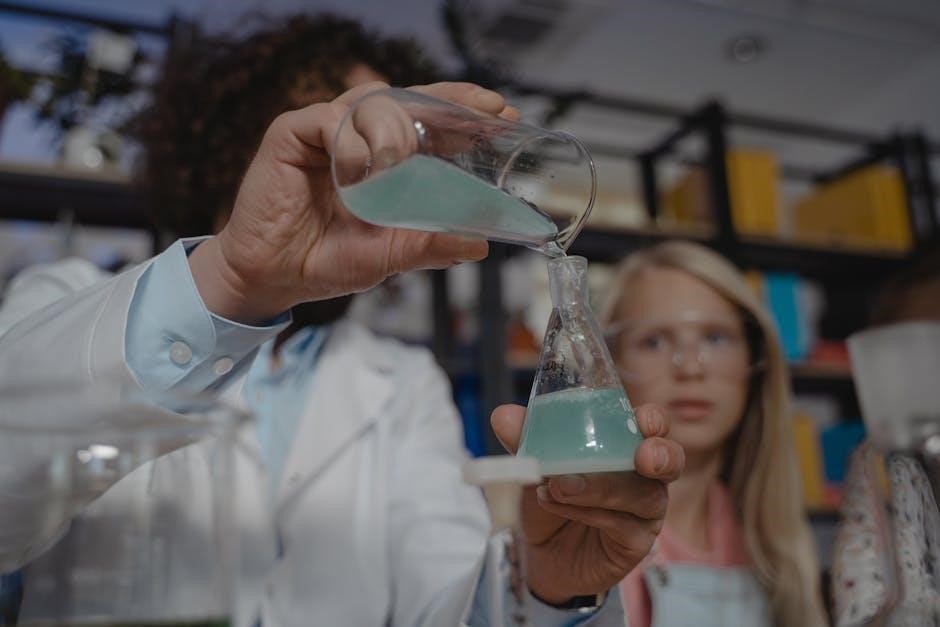
Lessons in Chemistry Recipes PDF: A Comprehensive Plan
Exploring “What’s Cooking in Chemistry?” and related ebooks, this plan details accessing Lessons in Chemistry-inspired recipes in PDF format, navigating sources like avxhm․se․
Bonnie Garmus’s novel, “Lessons in Chemistry,” sparks a fascinating intersection between scientific principles and the art of cooking․ The surge in interest has led to searches for Lessons in Chemistry recipes PDF, seeking to replicate dishes inspired by Elizabeth Zott’s precise approach․
This isn’t merely about following instructions; it’s about understanding why recipes work․ Resources like “What’s Cooking in Chemistry?” highlight how chemists excel in the kitchen, applying rigorous methodology․ Exploring these connections elevates cooking beyond tradition, embracing a scientific perspective on flavor and technique․
The Appeal of Chemistry-Based Recipes
The growing demand for Lessons in Chemistry recipes PDF reflects a desire for culinary precision and understanding․ Unlike conventional cookbooks, a chemistry-based approach demystifies cooking, transforming it into a predictable experiment․ Resources like ebooks available on avxhm․se, such as “What’s Cooking in Chemistry?”, appeal to those seeking this analytical perspective․
This method empowers cooks to troubleshoot, adapt, and innovate, moving beyond rote memorization to a deeper comprehension of ingredient interactions and the science of flavor․
Understanding the Science Behind Cooking
Delving into Lessons in Chemistry recipes PDF necessitates grasping fundamental scientific principles․ Cooking isn’t simply following instructions; it’s applied chemistry․ Resources like “What’s Cooking in Chemistry?” (found on platforms like avxhm․se) illuminate these processes․
Understanding molecular interactions – how heat affects proteins, the role of acids and bases, and the mechanics of emulsification – unlocks a new level of culinary control and allows for informed recipe adaptation․
Basic Chemical Reactions in the Kitchen
Exploring Lessons in Chemistry recipes PDF reveals numerous chemical reactions at play․ Oxidation-reduction reactions, like browning fruit, are commonplace․ Acid-base reactions influence flavor and texture, as seen in marinades․
Hydrolysis, the breaking of bonds with water, occurs during cooking starches․ Understanding these reactions – detailed in resources like “What’s Cooking in Chemistry?” – empowers cooks to predict and control outcomes, mirroring Elizabeth Zott’s precise approach․
Acids, Bases, and pH Levels in Recipes
Analyzing Lessons in Chemistry recipes PDF highlights the crucial role of pH․ Acids, like lemon juice, tenderize meat and brighten flavors․ Bases, such as baking soda, create lift in baked goods․
Controlling pH impacts protein denaturation and enzyme activity․ Resources like “What’s Cooking in Chemistry?” explain how pH affects ingredient interactions, mirroring Elizabeth Zott’s scientific precision in achieving optimal culinary results․ Understanding these levels is key to recipe success․
Emulsification: A Chemical Perspective
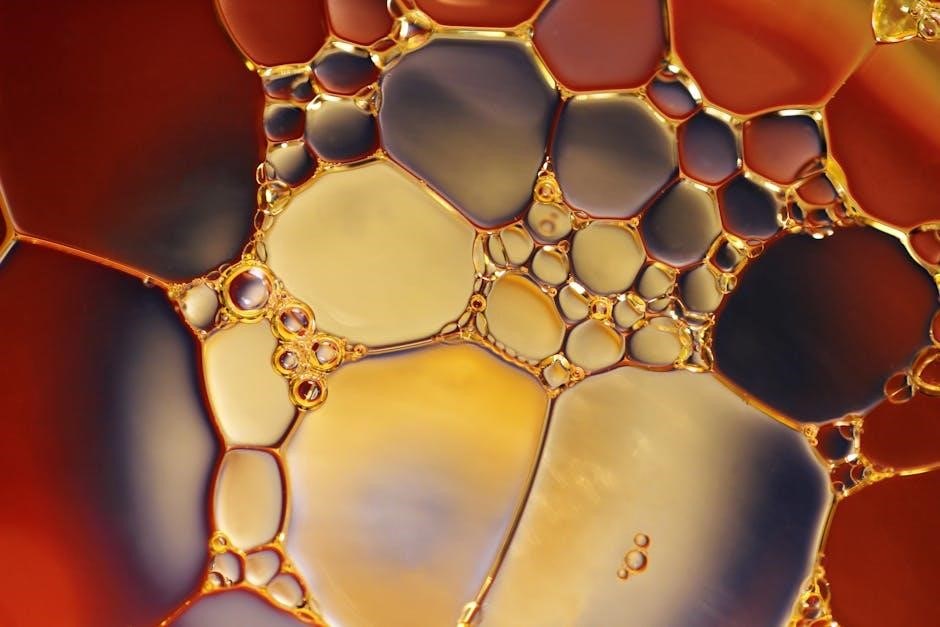
Exploring Lessons in Chemistry recipes PDF reveals the importance of emulsification – blending oil and water-based liquids․ This process, crucial in sauces and dressings, relies on reducing surface tension․
Emulsifiers, like egg yolks, stabilize these mixtures․ Understanding the chemical interactions, as detailed in resources like “What’s Cooking in Chemistry?”, allows for recreating Elizabeth Zott’s precise techniques, ensuring stable and flavorful emulsions in every dish․
Exploring Key Recipes from the Book (or Inspired By)
Delving into Lessons in Chemistry recipes PDF sources, like those found on avxhm․se, uncovers dishes mirroring Elizabeth Zott’s methodical approach․ Expect precise instructions for roast chicken, emphasizing temperature control, and perfectly poached eggs, highlighting protein denaturation․
These recipes, or those inspired by the novel, demonstrate culinary science in action, offering a practical application of chemical principles for achieving exceptional results․
Elizabeth Zott’s Recipes: A Detailed Look
Analyzing Lessons in Chemistry recipes PDF reveals Elizabeth Zott’s focus on scientific precision․ Sources like avxhm․se suggest her cooking isn’t merely following instructions, but understanding why they work․
Expect detailed timing for roasts, exact temperatures for poaching, and a deliberate approach to ingredient interaction․ These aren’t just recipes; they’re experiments, showcasing chemistry’s role in flavor and texture, demanding accuracy․
Roast Chicken with Precise Timing & Temperature
A Lessons in Chemistry recipes PDF analysis highlights Elizabeth Zott’s roast chicken as a prime example of applied culinary science․ Forget vague instructions! Expect specific temperatures – crucial for protein denaturation and safe consumption – and meticulously calculated roasting times․
This isn’t guesswork; it’s controlling Maillard reactions for optimal browning and flavor․ Sources suggest a focus on internal temperature, not just time, ensuring a perfectly cooked bird․
Perfectly Poached Eggs: The Science of Protein Denaturation
A Lessons in Chemistry recipes PDF reveals poaching eggs isn’t about luck, but understanding protein denaturation․ Heat gently alters egg proteins, transitioning from liquid to solid․ Precise temperature control – avoiding boiling – is key․
The ideal temperature range ensures a tender, not rubbery, white and a runny yolk․ Acidity, potentially from vinegar, aids coagulation․ Mastering this showcases the book’s scientific approach to cooking, detailed in available resources․
Chocolate Decadence: Understanding Fat Crystallization
A Lessons in Chemistry recipes PDF highlights chocolate’s complex behavior․ Achieving “snap” and a smooth texture relies on fat crystallization – cocoa butter forming stable structures․ Tempering controls this process, creating desired crystal forms․
Incorrect crystallization leads to bloom (white streaks) and a grainy texture․ Recipes emphasize precise temperature control and techniques, mirroring Elizabeth Zott’s meticulous approach․ Exploring these details elevates chocolate making beyond simple following instructions․
Ingredient Breakdown: Chemical Composition & Function
A Lessons in Chemistry recipes PDF emphasizes understanding ingredients beyond their names․ Flour’s proteins (gluten) create structure, sugar impacts browning via caramelization and the Maillard reaction, and fats contribute flavor and texture․
Analyzing chemical compositions – like saturated vs․ unsaturated fats – explains recipe outcomes․ This approach, inspired by Elizabeth Zott’s scientific mindset, transforms cooking into a precise, predictable, and ultimately more rewarding endeavor․
The Chemistry of Flour & Gluten Development
A Lessons in Chemistry recipes PDF highlights flour’s crucial role․ Gluten, formed from proteins gliadin and glutenin with water, provides elasticity and structure․ Mixing develops gluten; overmixing toughens baked goods․
Different flours have varying protein content, impacting texture․ Understanding gluten development – a chemical process – allows precise control over recipe results, mirroring Elizabeth Zott’s methodical approach to cooking and scientific precision․
Sugar’s Role: Caramelization & Maillard Reaction
A Lessons in Chemistry recipes PDF would detail sugar’s dual role․ Caramelization, sugar’s thermal decomposition, creates complex flavors and color․ Simultaneously, the Maillard reaction – between amino acids and reducing sugars – intensifies flavor and browning, crucial in baking․
Controlling temperature is key; Elizabeth Zott’s precision reflects this․ Understanding these chemical reactions, vital for recipe success, elevates cooking beyond simple following of instructions․
Fats & Oils: Saturated vs․ Unsaturated & Their Impact
A comprehensive Lessons in Chemistry recipes PDF would explain fat chemistry․ Saturated fats, solid at room temperature, offer stability․ Unsaturated fats – mono and poly – are liquid, impacting texture and flavor․ Elizabeth Zott’s recipes likely emphasize precise fat selection․
Understanding how fats influence emulsification, aeration, and overall mouthfeel is crucial; The PDF should detail how different oils react at varying temperatures, mirroring scientific rigor․
Advanced Techniques & Chemical Principles
A detailed Lessons in Chemistry recipes PDF should explore molecular gastronomy․ Techniques like sous vide, demanding precise temperature control, exemplify chemical principles․ Spherification, creating flavorful spheres, showcases alginate reactions․
Foams and aeration, utilizing lecithin and proteins, demonstrate interface science․ The PDF should explain how these advanced methods, rooted in chemistry, elevate culinary creations, mirroring Elizabeth Zott’s innovative approach․
Sous Vide: Precise Temperature Control & Molecular Gastronomy
A comprehensive Lessons in Chemistry recipes PDF must detail sous vide, a technique central to modern culinary chemistry․ This method, involving precise temperature control, ensures even cooking and optimal texture․
The PDF should explain how sous vide impacts protein denaturation and flavor retention, aligning with Elizabeth Zott’s scientific precision․ It’s a cornerstone of molecular gastronomy, demonstrating how understanding chemical reactions enhances cooking results․
Spherification: Creating Flavorful Spheres
A detailed Lessons in Chemistry recipes PDF should explore spherification, a molecular gastronomy technique creating liquid-filled spheres․ This process, utilizing sodium alginate and calcium chloride, demonstrates chemical reactions transforming liquids into visually stunning and flavorful bursts․
The PDF must explain the science behind this, linking it to Elizabeth Zott’s methodical approach․ It’s a prime example of applying chemistry to elevate dining, showcasing texture and flavor innovation․
Foams & Aeration: Utilizing Lecithin & Proteins
A comprehensive Lessons in Chemistry recipes PDF must detail foams and aeration, crucial in modern culinary science․ This section explains how lecithin, a phospholipid, and proteins stabilize air bubbles, creating light, airy textures․
The PDF should connect this to Elizabeth Zott’s precision, demonstrating how understanding protein denaturation and lipid interactions allows for controlled foam creation, enhancing both presentation and flavor profiles in inspired dishes․
Sourcing “Lessons in Chemistry” Recipes PDF
Finding a legitimate Lessons in Chemistry recipes PDF requires caution․ While sites like avxhm․se offer related ebooks – such as “What’s Cooking in Chemistry?” – verifying authenticity is key․
A comprehensive PDF guide should advise against illegal downloads and prioritize official sources to avoid copyright infringement․ It must also address PDF quality, accessibility, and potential risks associated with untrusted online repositories․
Legitimate Online Sources for the Cookbook
Currently, a dedicated, official Lessons in Chemistry recipes PDF isn’t widely available for free․ Searching reveals resources like avxhm․se hosting related chemistry & cooking ebooks․
However, purchasing the physical cookbook or exploring authorized digital retailers (like Amazon Kindle) are the most reliable options․ Beware of unofficial sites offering downloads, as these often contain malware or violate copyright laws․ Prioritize legal avenues for access․
Avoiding Copyright Infringement & Illegal Downloads
Downloading a Lessons in Chemistry recipes PDF from unauthorized sources constitutes copyright infringement․ Sites offering “free” PDFs often distribute pirated content, potentially exposing you to viruses and legal repercussions․
Respect the author and publisher’s rights by purchasing the official cookbook or utilizing legitimate digital platforms․ Supporting creators ensures future culinary content․ Avoid risks associated with illegal downloads; choose ethical and legal access methods․
PDF Quality & Accessibility Considerations
When sourcing a Lessons in Chemistry recipes PDF, prioritize quality․ Look for high-resolution scans ensuring readability and clear images․ Consider accessibility features – is the PDF text searchable? Does it support screen readers?
Poorly formatted PDFs can hinder the cooking experience․ Opt for versions with proper indexing and bookmarks for easy navigation․ Ensure the file is compatible with your devices for seamless recipe access and enjoyment․
Troubleshooting Common Cooking Problems (Chemically)
Applying chemical principles, a Lessons in Chemistry approach to cooking mishaps offers solutions․ Why did your cake fall? Gluten development or leavening agent issues! Sauces crystallizing? Sugar concentration is key․ Meat tough? Protein denaturation went wrong․
Understanding these reactions, inspired by the book’s scientific lens, transforms failures into learning opportunities, fostering a deeper connection between chemistry and culinary success․
Why Cakes Fall: Gluten, Leavening Agents & Structure
Cake collapse often stems from imbalances in gluten development, leavening agents, and overall structure․ Insufficient gluten creates a weak framework, while overmixing toughens it․ Leavening agents – baking powder or soda – produce gases for lift; improper activation leads to failure․
A Lessons in Chemistry perspective emphasizes precise measurements and understanding these chemical interactions for a perfectly risen, stable cake․
Preventing Crystallization in Sauces & Jams
Sugar crystallization in sauces and jams is a common issue, solvable with a chemical understanding․ Introducing an acid, like lemon juice, interferes with sucrose crystal formation․ Controlling the concentration of sugar is also vital; too high a ratio promotes crystallization․

Applying Lessons in Chemistry principles, precise temperature control and careful ingredient ratios ensure smooth, crystal-free results, mirroring Elizabeth Zott’s meticulous approach․
Understanding Why Meat Toughens or Dries Out

Meat toughness and dryness stem from protein denaturation and moisture loss․ High heat causes muscle fibers to contract and expel water․ Applying Lessons in Chemistry, understanding Maillard reactions and protein coagulation is key․
Techniques like brining (salt denatures proteins, increasing water retention) and slow cooking (collagen breakdown) prevent toughening․ Precise temperature control, as Elizabeth Zott advocates, ensures tender, juicy results․
Adapting Recipes: A Chemical Approach
Adapting recipes requires a chemical understanding of ingredient functions․ Lessons in Chemistry emphasizes precise ratios; Substituting ingredients demands considering chemical properties – acidity, polarity, and reactivity․
For example, altering sugar levels impacts caramelization and Maillard reactions․ Scaling recipes necessitates maintaining concentration ratios for consistent results․ Altitude adjustments account for boiling point changes, crucial for baking success, mirroring Zott’s scientific precision․
Substituting Ingredients Based on Chemical Properties
Ingredient substitution, inspired by Lessons in Chemistry’s scientific approach, isn’t random․ It requires understanding chemical roles․ Replacing fats demands considering saturation levels – impacting texture․ Swapping flours necessitates accounting for gluten development potential;
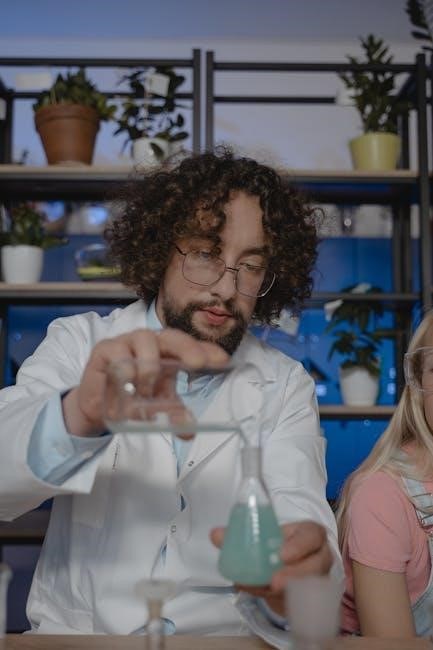
Acidic components influence protein denaturation, vital in poaching․ Sugar substitutions alter sweetness and browning reactions․ Successful adaptation hinges on matching chemical functionalities, ensuring the recipe’s structure and flavor remain consistent․
Scaling Recipes: Maintaining Ratios & Concentrations
Scaling recipes, a core principle mirroring Lessons in Chemistry’s precision, demands careful attention to ratios․ Simply multiplying ingredients isn’t enough; concentrations matter․ Leavening agents, for example, require precise scaling to avoid structural failures․
Flavor compounds’ impact changes with volume․ Maintaining accurate proportions ensures consistent taste and texture․ Understanding molarity and dilutions, concepts from chemistry, are crucial for successful large-batch cooking․

Adjusting for Altitude: Impact on Boiling Point & Baking
Lessons in Chemistry emphasizes precision; altitude significantly impacts cooking, mirroring chemical principles․ Higher elevations lower boiling points, lengthening cooking times․ Water evaporates faster, altering hydration in doughs․
Baking requires adjustments to flour-to-liquid ratios and leavening agents․ Reduced air pressure causes baked goods to rise more rapidly, potentially collapsing before setting․ Understanding these chemical changes is vital for consistent results․
Safety in the Kitchen: Chemical Awareness
Lessons in Chemistry, at its core, highlights chemical interactions․ Kitchen safety demands awareness of these reactions․ Proper handling of acids (like lemon juice) and bases (baking soda) is crucial to prevent burns or unwanted reactions․
Food safety relies on controlling bacterial growth – a chemical process․ Understanding allergen reactions, also chemical in nature, is paramount․ Always prioritize safe practices when experimenting with recipes;
Proper Handling of Acids & Bases
Lessons in Chemistry emphasizes precise measurements, vital when working with acids and bases․ Always add acids to water, never water to acid, to avoid dangerous splattering․ Neutralize spills with baking soda (a base)․
Be mindful of reactivity – combining certain acids and bases can generate heat or gases․ Store chemicals separately and clearly label all containers․ Protective eyewear is recommended when handling concentrated solutions․
Food Safety & Preventing Bacterial Growth
Lessons in Chemistry’s precision extends to food safety․ Controlling temperature is key; bacterial growth accelerates in the “danger zone” (40°F ౼ 140°F)․ Proper cooking denatures proteins, eliminating harmful microbes․
Acidic environments inhibit bacterial growth – consider lemon juice or vinegar in marinades․ Thoroughly wash produce to remove surface contaminants․ Refrigerate leftovers promptly to slow bacterial proliferation and prevent foodborne illness․
Understanding Food Allergies & Chemical Reactions

Lessons in Chemistry highlights how food allergies are, fundamentally, adverse chemical reactions․ Proteins trigger immune responses, causing symptoms․ Cross-contamination is a critical concern – even trace amounts can provoke reactions․
Understanding ingredient composition is vital․ Histamine release, for example, can cause allergic symptoms․ Careful label reading and awareness of common allergens (peanuts, shellfish, dairy) are essential for safe cooking and consumption․
The Future of Culinary Chemistry
Lessons in Chemistry inspires exploration of culinary chemistry’s future․ Molecular gastronomy, like spherification and foams, will become more accessible․ Personalized nutrition, guided by chemical analysis of individual needs, is emerging․
Sustainable cooking, minimizing waste through chemical understanding of food degradation, gains importance․ Expect innovative techniques optimizing flavor and texture, driven by scientific principles․ The intersection of chemistry and cooking promises exciting advancements in food science․
Molecular Gastronomy & Innovative Techniques
Inspired by the scientific approach in Lessons in Chemistry, molecular gastronomy transforms cooking․ Techniques like sous vide—precise temperature control—and spherification, creating flavorful spheres, exemplify this․ Utilizing lecithin and proteins for foams and aeration unlocks new textures․
These innovative methods aren’t just about novelty; they’re rooted in understanding chemical reactions․ Exploring these techniques elevates cooking beyond traditional methods, mirroring Elizabeth Zott’s precise and analytical style․
Personalized Nutrition Based on Chemical Analysis
Extending the scientific principles from Lessons in Chemistry, personalized nutrition utilizes chemical analysis of ingredients and individual needs․ Understanding the composition of foods – fats, proteins, carbohydrates – allows for tailored dietary plans․
This approach moves beyond generic recipes, optimizing nutrient intake based on individual biochemistry․ Analyzing chemical reactions within the body informs dietary choices, mirroring Elizabeth Zott’s dedication to precise, scientifically-backed solutions․
Sustainable Cooking & Reducing Food Waste Through Chemistry
Inspired by the resourceful spirit of Lessons in Chemistry, applying chemical understanding minimizes food waste․ Analyzing decomposition rates and preservation techniques – like pickling or fermentation – extends shelf life․
Understanding enzymatic browning or oxidation allows for proactive strategies․ Utilizing every part of an ingredient, informed by its chemical composition, embodies a sustainable approach, aligning with a scientifically-minded kitchen․
Resources for Further Learning
To deepen your understanding beyond Lessons in Chemistry recipes, explore culinary science books and online courses․ Websites like avxhm․se offer related ebooks, such as “What’s Cooking in Chemistry?” for a broader perspective․
Investigate scientific journals focusing on food chemistry for advanced insights․ These resources provide a foundation for applying chemical principles to cooking, enhancing both skill and appreciation for the science of flavor․
Recommended Books on Culinary Science
Expand your knowledge with texts complementing the Lessons in Chemistry approach․ “What’s Cooking in Chemistry?” (available via resources like avxhm․se) provides a foundational understanding of chemical reactions in the kitchen․
Further exploration could include books detailing molecular gastronomy and food microbiology․ These resources bridge the gap between scientific principles and practical cooking techniques, enriching your culinary skillset and appreciation for food science․
Online Courses & Websites
Supplement your learning with digital resources․ Websites like avxhm․se offer access to ebooks such as “What’s Cooking in Chemistry?”, providing a base for understanding the science behind recipes․
Explore platforms offering courses in food science, molecular gastronomy, and culinary arts․ These resources often feature interactive modules and expert insights, enhancing your ability to apply chemical principles to cooking and recipe adaptation․
Scientific Journals & Articles on Food Chemistry
Delve deeper into the scientific foundations of cooking․ Accessing peer-reviewed journals and articles provides detailed insights into the chemical reactions occurring during food preparation․ Resources explore topics like protein denaturation, emulsification, and carbohydrate chemistry․
Databases and academic search engines are invaluable for locating research related to recipe development and the impact of ingredients, complementing the practical approach of resources like “What’s Cooking in Chemistry?”
Embracing the Chemistry of Cooking
Ultimately, “Lessons in Chemistry” inspires a scientifically informed approach to the kitchen․ Understanding the chemical principles behind recipes—like those explored in resources such as “What’s Cooking in Chemistry?”—elevates cooking beyond mere following instructions․
This knowledge empowers cooks to adapt, innovate, and appreciate the beautiful interplay between science and flavor, fostering a new generation of chemically-minded culinary enthusiasts․
The Intersection of Science & Flavor
“Lessons in Chemistry” beautifully demonstrates how scientific understanding unlocks deeper flavor profiles; Resources like the ebook “What’s Cooking in Chemistry?” highlight how chemical reactions – caramelization, Maillard reaction, emulsification – directly impact taste and texture․
Exploring these principles, found within PDF recipe collections, transforms cooking into a fascinating exploration of molecular gastronomy and the art of flavor creation․
Inspiring a New Generation of Chemically-Minded Cooks
“Lessons in Chemistry” and associated resources, like the “What’s Cooking in Chemistry?” ebook available in PDF format, are igniting a passion for culinary science․
By understanding the chemical processes behind cooking – explored through recipes and online resources – a new wave of cooks are emerging, equipped to innovate and appreciate the artistry and science of food․
Final Thoughts on “Lessons in Chemistry” & its Impact
The surge in interest surrounding “Lessons in Chemistry” has demonstrably increased the demand for related culinary resources, including PDF recipe collections like those inspired by “What’s Cooking in Chemistry?”․
This novel’s influence extends beyond entertainment, fostering a deeper appreciation for the scientific principles underpinning cooking, and encouraging exploration of food chemistry through accessible formats․